In many parts of our country, it is that time of year when some of us 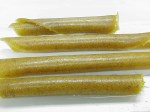
are spending more hours (or even days) than usual inside the house
with children. If you have a food dehydrator, you can pull that out and make some simple fruit roll-ups with young ones. Making your own fruit roll-up snacks can also provide a snack option lower in sugar than some commercially made ones.
The major skill needed is to be able to evenly spread a fruit puree in a very thin lay er (about 1/8-inch thick) onto a lined dehydrator tray. So a second skill might be pureeing of fruit if you don’t have an apple or other fruit sauce already canned. You can use your own homemade fine applesauce puree or buy commercial sauce. More directions for choosing and preparing fruit, as well as flavoring suggestions can be found at the National Center for Home Food Preservation website or in some state Extension factsheets such as this one from Colorado State University.
Unsweetened applesauce makes an easy already-pureed fruit ready to spread on your dryer sheets. You can add some spices like cinnamon or nutmeg to taste; or purchase some applesauces already flavored with spice or other fruits.
Drained canned fruits as well as frozen fruits make other easily available ready-to-puree fruit. You can easily purchase canned fruits packed in water or light syrups to reduce the sugar content, and frozen fruits can be purchased in unsweetened forms if you haven’t frozen them that way yourself. Strained baby fruits also make an even, fine puree to use. If the winter weather is not keeping you from accessing fresh fruits at your local store, be sure to choose ripe to very ripe fruit for pureeing. The Colorado directions for fresh fruits call for cooking a puree; other sources such as in our directions call for just pureeing the fresh fruit.
When preparing your trays, avoid pouring the fruit puree too close to the edges. Leave about ½-inch margin or more so you are able to get an edge to peel the leather away from the tray when it is dried.
Larger leathers take longer to dry; you can cover the dryer tray as shown, or pour smaller, individual sized circles to dry smaller roll-ups. The best drying temperature is 140 degrees F. Test often for dryness; times can vary a lot from 4-10 hours depending on your method and fruit. No indentations should remain if you lightly touch the leather, even though it might still feel a bit tacky. If the leather peels readily from your tray, and there are no indentations remaining, it should be properly dried. Leaving too much moisture can lead to molding or other spoilage in storage.
See the references above for more complete instructions as well as storage directions. However, if the extra winter-time indoors is really getting to your family, your fruit roll-ups may be gobbled up quickly and not be stored all that long!
For more on recommended food drying procedures, visit the National Center for Home Food Preservation.

 Preserving Food at Home
You must be logged in to post a comment.