Category Archives: Food Safety

How do you like your eggs? Scrambled, Fried…or Pickled!

Whether your eggs come from your backyard chickens, the grocery store, or the Easter bunny, you might find yourself looking for different ways to prepare and preserve your abundance of springtime eggs.

There are no tested, reliable home canning recommendations for keeping pickled eggs at room temperature that we are able to recommend. Eggs are a low-acid food, and it is possible for botulism to grow in areas of a boiled egg that have not been sufficiently saturated by vinegar. The density, thickness, and very low acidity of eggs (pH ranges between 6.4 and 9.0) all present challenges for adequate penetration of vinegar and sufficient acidification throughout all areas of each egg. To read more about a case of home-pickled eggs implicated as a cause of botulism in Illinois in 1997, click here.

Instead of going through the steps of a canning process, simply make delicious pickled eggs safely at home by following recipes and instructions designed for refrigerator storage. Be sure to wash all utensils and surface areas (including hands) very well and sanitize jars for 10 minutes in boiling water before filling with boiled eggs if you expect to keep them for more than several days. Keep pickled eggs refrigerated, and limit their amount of time out of the fridge to 2 hours or less. Give them about 2 weeks to season in the brine before tasting. Unless otherwise indicated, you’ll want to consume refrigerated pickled eggs within 2 to 3 months for best quality. You can find more pickling tips and recipes on the NCHFP website.

refrigeratorHere is a basic recipe, copied directly from the pages of So Easy to Preserve:

Refrigerated Pickled Eggs

16 fresh eggs

2 TBSP whole allspice

2 TBSP whole peppercorns

2 TBSP ground ginger

4 cups white vinegar (5%)

2 TBSP sugar

Cook eggs in simmering water for 15 minutes. Place eggs in cold water, remove shells, and pack into sterilized jars. In a pot combine vinegar, sugar, and spices. Bring to a boil, reduce heat, and simmer 5 minutes. Pour hot liquid over hard-boiled eggs. Seal. Store in refrigerator. Use these pickled eggs within a month. This recipe is not intended for long term storage at room temperature.

Recipe from: Andress, E.L., Harrison, J.A., eds. (2006). So Easy to Preserve, 5th ed. Athens, GA: University of Georgia Cooperative Extension. ©University of Georgia.

Are You Prepared for Severe Weather?

If the trials of this winter season have not already spurred you to carefully evaluate your severe weather preparedness, or perhaps if you are still feeling uncertain if you are as prepared as you want to be, then don’t think you’ve missed your chance – it’s never too late to prepare for the next severe weather event.  The National Weather Service declared the first week of March 2014 as Severe Weather Preparedness Week. In case you missed it, here’s a link to preparedness resources provided by the National Oceanic and Atmospheric Administration (NOAA).

Do you have a disaster supply kit yet? If not, you can use the disaster supplies kit link on NOAA’s site (above) to help you put one together to meet your particular needs. In addition to items like a flashlight and first aid kit, the Federal Emergency Management Agency (FEMA) suggests that you stock a disaster supplies kit with food supplies enough for 3 days and nights. If you chose foods that require heating, then remember to also pack a small camping stove and fuel.

Comfort foods like cookies, lollipops, and coffee are very useful for morale, but it’s important to primarily pack an assortment of nutrient-rich foods to sustain your health during the crisis. Store-bought canned fruits, veggies, soups and meats are good options, as are granola bars, peanut butter, and crackers. Some home-preserved canned foods also make a great choice, although you’ll want to pay extra attention to packing glass jars so they do not break, and keep in mind that they add weight as compared to metal cans. Conversely, dehydrated fruits and veggies make for a very light-weight option to help maintain your energy.

To maintain the usefulness and quality of your supplies, check expiration dates, batteries, and your own changing personal needs to re-stock your disaster supply kit at least once per year.

If you lose power, remember to first eat foods from your refrigerator and then from your freezer before turning to your supply kit. Eat your non-perishable foods only once your perishable supplies run out. Refrigerated foods need to be monitored at 40°F or below or else eaten quickly, as they may cause support microbial growth and cause sickness after just a few hours at temperatures above 40°F. Keep the refrigerator/freezer doors closed as much as possible and wrap it in blankets or towels to help hold in the cool air. Freezer foods can be consumed as long as they still have ice crystals and/or you can check that the freezer has remained at 40°F or below. Usually, you’ll have 2 to 3 days to eat freezer foods if the freezer is well-insulated.

More tips, including how to prepare a two-week supply, are found in this publication from the University of Georgia: Preparing an Emergency Food Supply, Short Term Storage. A collection of publications including Storing Water Supplies is available from UGA Cooperative Extension’s Consumer Guide: Preparing an Emergency Food Supply.

Why Can’t I Just Guess at a Process Time for Canning?

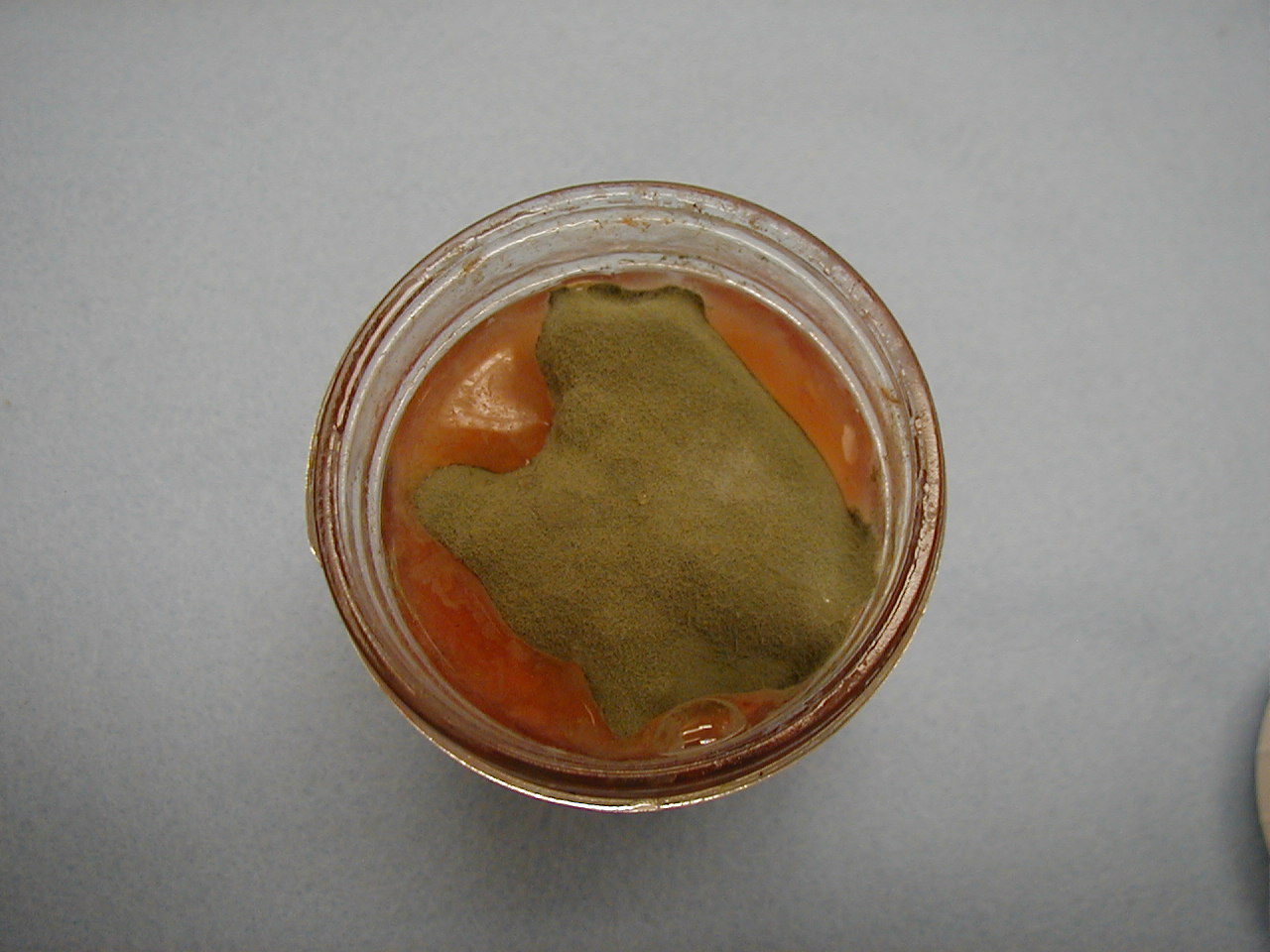
Mold on JamIf you guess at a process time for canning, you run the risk of underprocessing your food, which could lead to food poisoning and/or product loss due to spoilage.

All reliable recommendations for canning include process times that have been determined by or based on results of laboratory testing. The exact time and temperature combinations of tested canning processes are needed to assure the destruction of microorganisms that may be present in the filled jars. Sure, it’s possible that you could use unsafe canning practices for some time without causing waste or harm, but it only takes one batch of food with destructive microorganisms in it to ruin your streak of luck. And especially if you are canning low acid foods, the consequences could be severe and irreversible.

While some microorganisms are apparent just by looking (think molds growing on the surface of jelly), others remain invisible to your bare eyes (think pathogenic bacteria which cause food poisoning). Many different types of mold, yeast, and bacteria dwell on food. Given their preferred conditions of moisture, acidity, oxygen levels, and temperature they will grow, and some will even product toxin.

Fortunately, all microorganisms can be destroyed by breaking their threshold for heat. The process times provided in each of our home canning recommendations have been found to deliver enough heat to destroy microorganisms of concern in that particular food. Characteristics such as consistency, pH level (acidity), size of food pieces, presence of protective nutrients, size and shape of jars, and solid to liquid ratio all influence the ability of heat to move through and thoroughly penetrate the entire contents of a filled jar. You can trust that your home-canned foods will receive adequate heat treatment by using proper canning methods and following recommended process times.

Why does each recipe have a process time table with multiple times or amounts of pressure? (See Crushed Tomatoes for a good example.) Because atmospheric pressure decreases as altitude increases, causing water to boil at lower temperatures as altitude increases. In order to achieve the same overall heat treatment as at sea level, more time is needed in a boiling water canner at higher elevations (since the temperature of the water distributing the heat is less). Pressure canning relies on temperatures inside the canner building even higher than that of boiling. So, likewise, more pressure needs to be applied to a pressure canner at higher elevations so that the temperature inside can reach higher.

If you’d like to learn more about how process times are determined for home-canned foods, please read ‘Backgrounder: Heat Processing of Home-canned Foods’ by Elaine M. D’Sa.

Botulism: Think Outside the Jar

Since it’s that time of year that foods may be prepared well ahead of time, then packaged and transported to be shared with family, friends, and co-workers, it seems timely to spread awareness about less-known situations that have the potential to lead to botulism: Did you know that it is possible for botulism to come from non-canned food items? As mentioned in a previous posting called “Botulism: Surprises”, botulism has been linked to other foods, including unrefrigerated salsa, baked potatoes in aluminum foil, garlic in oil, fermented fish, and honey. Following are a few true tales to provide important details and inspire caution…

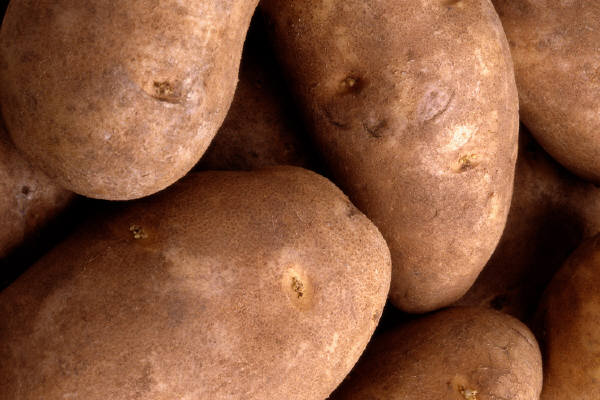
In 1994, in Texas, 30 people were affected by an outbreak of botulism from restaurant dips made with baked potatoes wrapped in foil and left at room temperature (apparently for several days) prior to being used the dips. In this case, the spores of Clostridium botulinum (which are readily found in soil) survived the heating process (which is to be expected), remained moist, and were then so tightly wrapped in aluminum foil that oxygen was kept out of the packaging, creating an anaerobic environment in which the botulism toxin could form. Oil covering a food, as with garlic in oil, also creates an anaerobic environment.

real potatoes

Not even processing your homemade salsas but putting them in tightly sealed jars (again, an anaerobic environment) left at room temperature is a big risk. Botulism could result if the salsa is too low in acid, and other problems besides botulism could occur even in more acid salsas. Tomatoes (and figs and Asian pears) are borderline pH foods, so we see recommendations to add some acid to jars even before treating them as boiling water canned foods. Fermented fish and fermented vegetables that do not finish fermenting to a truly acidic pH are other examples of foods that might not be acidic enough to prevent the botulism-causing toxin from forming.

Another situation that has caused botulism is pickled eggs left at room temperature. In 1997, in Illinois, a 68-year-old man developed symptoms of botulism – double vision, inability to speak, difficulty breathing – that was traced back to homemade pickled eggs. Testing confirmed the presence of type B botulism toxin. To prevent the toxin from forming, pickled eggs should be stored in the refrigerator and only be at room temperature for serving time; limit their time in the temperature danger zone (40 degrees F to 140 degrees F) to no more than 2 hours. Pickled egg recipes and storage guidelines can be found on the NCHFP website.

Early in 2011, two people got botulism from eating commercially made potato soup intended for refrigerator storage but kept in their homes at room temperature.  One case was in Georgia and one in Ohio.  Both people bought the soups from a refrigerator case, left them out of the refrigerator at home for a long time and then tasted them.  Bad decision!  Each individual spent a long time in the hospital and then were transferred to rehab facilities with respiratory issues. Unfortunately we do not know the ultimate outcome today.

It may now seem like botulism can come from anywhere, but that’s not true; Clostridium botulinum bacteria require specific conditions to be able to grow and produce the botulism-causing toxin. Understanding what’s involved in the formation of the toxin will help you know how to prevent it:

In order to grow and produce the botulism-causing toxin, C. botulinum bacteria must be kept in a very low-oxygen (anaerobic) environment with a pH above 4.6 (low acid foods) and a relatively high moisture content.  If these conditions are met, any temperatures in a wide range around anyone’s “room temperature” and definitely above 40 degrees F will allow the bacteria to multiply and produce toxin.  (Sometimes the temperature even can be a little cooler than that for some types of C. botulinum and they will still multiply.)

Pressure Canner

Awareness and action is the key to prevention. To avoid botulism, avoid the risk of containing C. botulinum in a low acid, moist, anaerobic environment and if you do so (you canners out there know who you are), then be sure to process your low-acid food products in a canner equivalent to at least 240 degrees F (achieved when your pressure canner reaches the recommend amount of pressure, after venting, for your altitude) for the recommended amount of time.

Click here to view the full article of ‘Foodborne Botulism From Eating Home-Pickled Eggs —Illinois, 1997‘ from the Centers for Disease Control and Prevention. Here is the full publication ‘A Large Outbreak of Botulism: The Hazardous Baked Potato‘.  And here is the short story of botulism from potato soups in 2011.