Category Archives: Canning

Brighten Up your Days with Marmalades

Cold temperatures and gray skies may be begging you for uplifting treats this winter. When you’re not up for braving the conditions outside, why not get busy in the warmth of your own kitchen? Making marmalades is not only fun to do, but there will also be plenty of delicious cheer to share with neighbors and visitors!

Most of these recipes do not require any additional pectin, as there is enough natural pectin in the ingredients. Pectin is a fiber found in the cell walls of many fruits and vegetables, though its content varies widely. Pectin is water-soluble, enabling it to form a gel-like compound that characterizes jellied products when combined with certain proportions of water, acid and sugar. In general, citrus fruits contain the most pectin, although apples, peaches, berries, and a few other fruits also contain a lot of pectin in their skins. Specifically, the most pectin is found in the white membrane located just under the skin of citrus fruits.

Oranges

For a super citrusy taste experience with grapefruit, orange, and lemon, try Citrus Marmalade.

If you still have apples from your harvest or can find a high-quality, tart variety at a grocery store, then you might like Apple Marmalade.

Pull out your frozen peach slices or look for peaches in the fresh or frozen sections of the grocery store to make this Peach-Orange Marmalade.

Warm spices (cinnamon, clove, and allspice) make Tomato Marmalade a unique seasonal specialty.

Cranberry Marmalade is a holiday favorite; just make sure you have a box of powdered pectin on hand.

jar of preserves

How to Preserve Health, Wealth, and Luck

Are you starting your New Year with a hearty meal of black eyed peas, collard greens, and pork? Southern tradition decrees that consuming these three foods has the power to bring personal health, financial prosperity, and good fortune throughout the year. To enjoy these foods sometime later in the year (and maybe even boost your chances of health, wealth, and luck), can them!

Follow the recommendations below to can your foods safely, and remember that tested recipes are meant to be followed exactly as is — in other words, if your own recipes differ from these recommended recipes, then you can eat those foods fresh and also make separate batches following these recipes and instructions for canning.

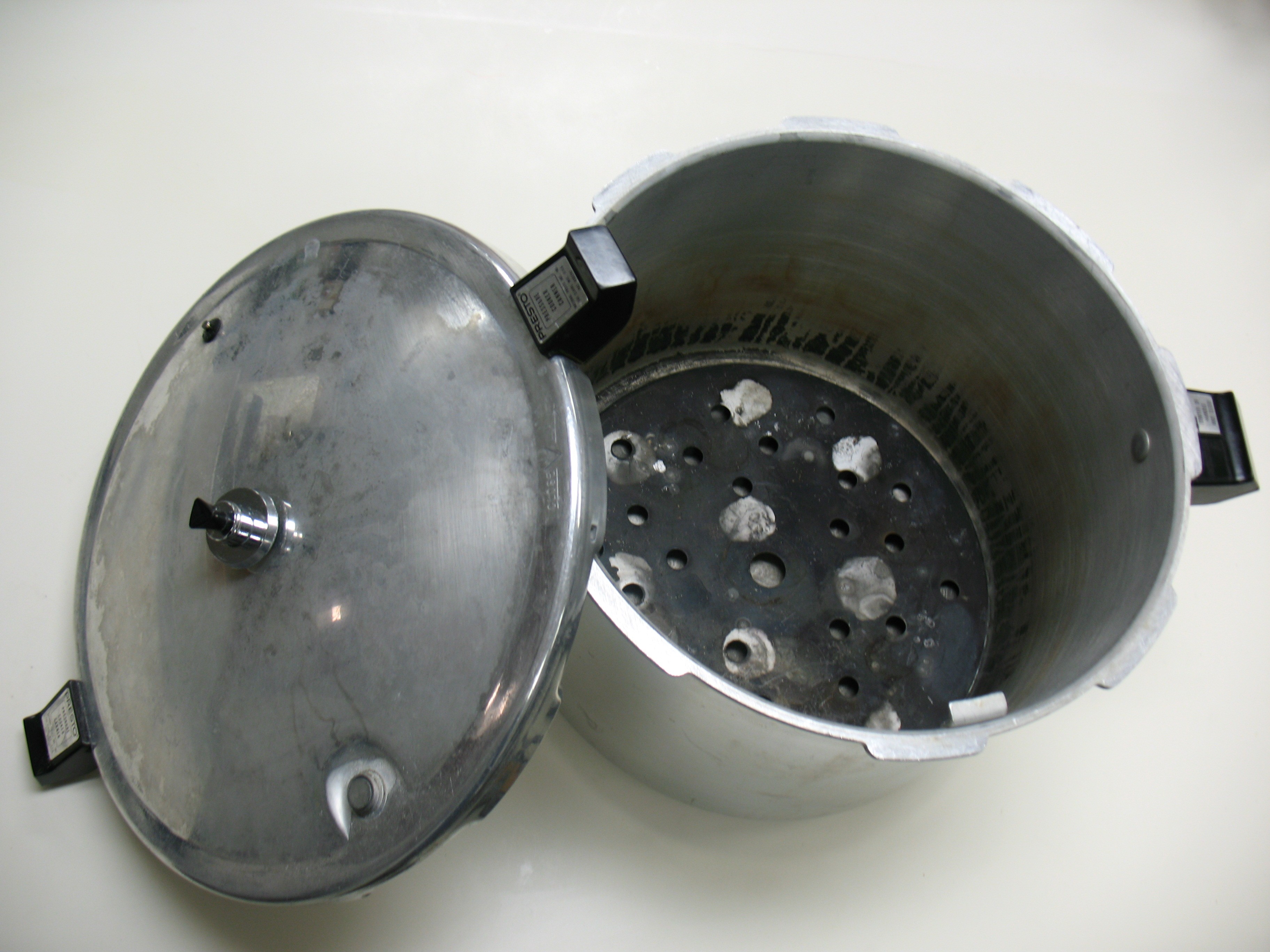
Presto Pressure Canner

Canning these low-acid foods requires use of a pressure canner. This is very important to the safety of your final product because if low-acid foods are not canned properly in a pressure canner then there is risk of botulism, a potentially fatal food poisoning. The amount of time in the canner is also extremely important to ensuring that harmful bacteria (like botulinum bacteria) are destroyed. Our recommendations have been carefully tested in a laboratory to determine the exact amount of time required for each different food, and that length of time can vary quite a lot among foods types. Each recipe and procedure includes a process time for canning.

A good example of noting the variation in process times is with canning black eyed peas. Are your black eyed peas dried or fresh? Your answer to this question makes a difference in how long you will process the filled jars.

Dried black eyed peas must be hydrated before canning. To rehydrate, soak dry peas for 12 to 18 hours then drain, or for a quicker method, cover with water in a stockpot and boil for 2 minutes, remove from heat, soak one hour, and drain. Whether you choose the quicker method or the overnight method, peas must then be covered with fresh water and boiled 30 minutes before being filled into jars. Process time is 75 minutes for pints and 90 minutes for quarts. Complete directions for Canning Dried Black Eyed Peas, including the amount of headspace required and altitude adjustments, are available from the NCHFP.

Fresh black eyed peas do not require as long of a process time as dried peas. Pints are processed for 40 minutes and quarts for 50 minutes. Fresh black eyed peas may be packed raw or hot. Specific directions for Canning Fresh Black Eyed Peas are available in a publication called ‘Preserving Food: Canning Vegetables’ from the University of Georgia. Recommendations for fresh black eyed peas are listed near the bottom of page 5 as ‘Peas: Blackeye, Crowder, Field’ .

You want collard greens to be fresh, tender and richly colored for canning. Discard any wilted, discolored, diseased, or damaged leaves and cut out tough stems and midribs so that they are ready-to-eat from the jar. You will also blanch the leaves briefly before putting in jars, as described in detail here: Canning Spinach and Other Greens.

Pork can be prepared as a raw pack or a hot pack for canning. Remove excess fat, as it goes rancid most easily. A raw pack means that you will simply cut the pork into strips, cubes or chunks, add salt to jars if desired, and then fill jars with the small pieces of pork until 1-inch headspace remains. Liquid that is naturally stored within the meat will exude when heated, but sometimes there is not enough liquid to fully cover the meat, which can lead to discoloration of the uncovered portions. A hot pack calls for precooking the meat and then adding boiling broth, drippings, water, or tomato juice after filling the jar with the meat, better ensuring that it will be fully covered after the canning process. The choice between a raw pack or a hot pack is up to you, but follow these recommended directions and process times either way: Canning Strips, Cubes, or Chunks of Meat.

Be Merry with Cranberries

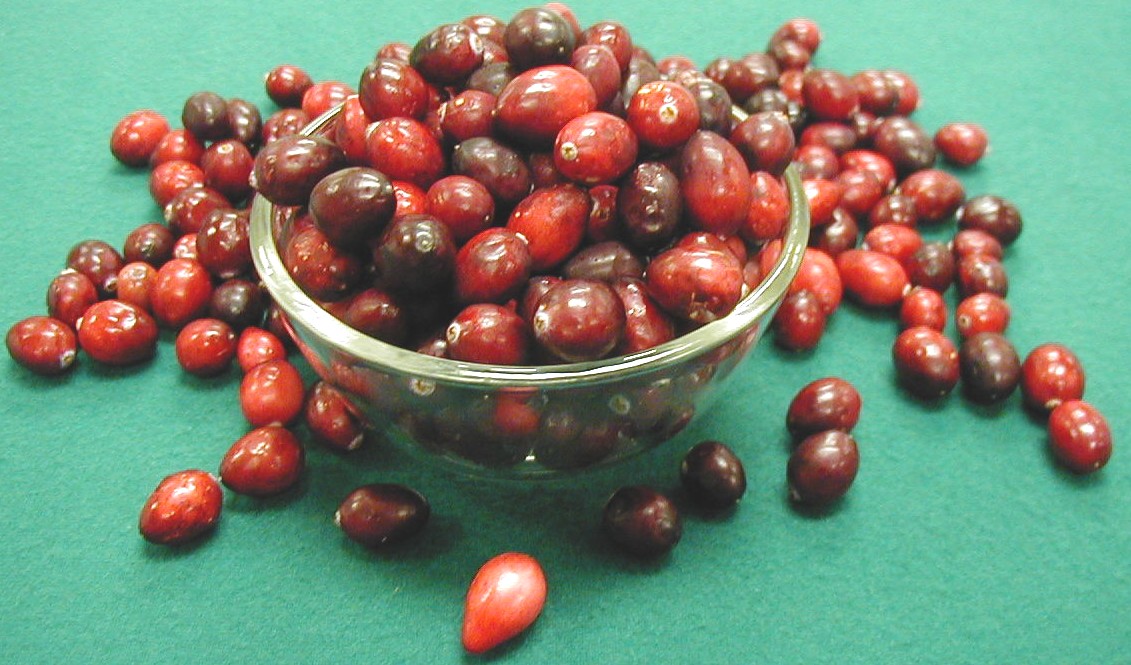
Cranberries

Use fresh cranberries in these innovative recipes from the National Center for Home Food Preservation (NCHFP) to spice up your holiday meals. The yields will provide you with some for now, some for later, and some to give away! Elizabeth Andress, Director of the NCHFP, had this to say about these exciting recipes, “Both of these can be made during cranberry season and used as delightful homemade gifts.”

Cranberry Orange Chutney stands on its own as a side dish, or can be spooned over or basted into ham, turkey, chicken, or pork. Cranberries have so much natural pectin that the final product is almost jellied.  Raisins add texture to tang from orange juice and zest, while the warm spice of ginger and cinnamon round out the overall flavor. You could add small amounts of other dried spices if you like, such as cloves, dry mustard, or cayenne pepper. After it’s made, chutney will continue to set over the next 24 hours, but you can eat it once it cools down. Store un-canned chutney in clean storage containers and refrigerate. Remember to also refrigerate opened jars if you don’t finish it all at once.

Spicy Cranberry Salsa brings something new to the table by essentially switching out tomatoes for cranberries. The flavor is highlighted by Serrano peppers and honey. Use this salsa as a dip for chips, as a side with meat, or as a spread stirred into cream cheese. This recipe, procedure, and process time are also available in Spanish.

Loose cranberries

This entry was inspired by an article written by April Reese Sorrow and Elizabeth L. Andress for the National Center for Home Food Preservation.

Botulism: Think Outside the Jar

Since it’s that time of year that foods may be prepared well ahead of time, then packaged and transported to be shared with family, friends, and co-workers, it seems timely to spread awareness about less-known situations that have the potential to lead to botulism: Did you know that it is possible for botulism to come from non-canned food items? As mentioned in a previous posting called “Botulism: Surprises”, botulism has been linked to other foods, including unrefrigerated salsa, baked potatoes in aluminum foil, garlic in oil, fermented fish, and honey. Following are a few true tales to provide important details and inspire caution…

In 1994, in Texas, 30 people were affected by an outbreak of botulism from restaurant dips made with baked potatoes wrapped in foil and left at room temperature (apparently for several days) prior to being used the dips. In this case, the spores of Clostridium botulinum (which are readily found in soil) survived the heating process (which is to be expected), remained moist, and were then so tightly wrapped in aluminum foil that oxygen was kept out of the packaging, creating an anaerobic environment in which the botulism toxin could form. Oil covering a food, as with garlic in oil, also creates an anaerobic environment.

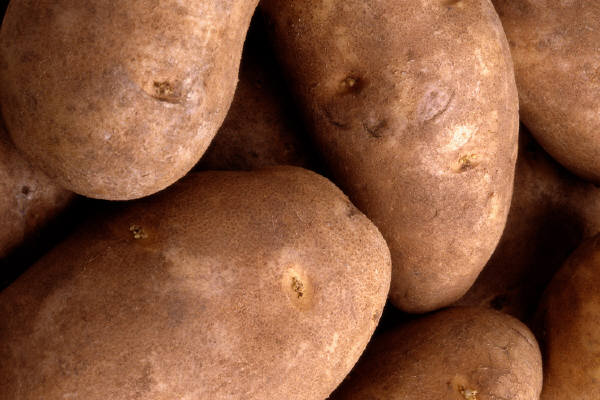
real potatoes

Not even processing your homemade salsas but putting them in tightly sealed jars (again, an anaerobic environment) left at room temperature is a big risk. Botulism could result if the salsa is too low in acid, and other problems besides botulism could occur even in more acid salsas. Tomatoes (and figs and Asian pears) are borderline pH foods, so we see recommendations to add some acid to jars even before treating them as boiling water canned foods. Fermented fish and fermented vegetables that do not finish fermenting to a truly acidic pH are other examples of foods that might not be acidic enough to prevent the botulism-causing toxin from forming.

Another situation that has caused botulism is pickled eggs left at room temperature. In 1997, in Illinois, a 68-year-old man developed symptoms of botulism – double vision, inability to speak, difficulty breathing – that was traced back to homemade pickled eggs. Testing confirmed the presence of type B botulism toxin. To prevent the toxin from forming, pickled eggs should be stored in the refrigerator and only be at room temperature for serving time; limit their time in the temperature danger zone (40 degrees F to 140 degrees F) to no more than 2 hours. Pickled egg recipes and storage guidelines can be found on the NCHFP website.

Early in 2011, two people got botulism from eating commercially made potato soup intended for refrigerator storage but kept in their homes at room temperature.  One case was in Georgia and one in Ohio.  Both people bought the soups from a refrigerator case, left them out of the refrigerator at home for a long time and then tasted them.  Bad decision!  Each individual spent a long time in the hospital and then were transferred to rehab facilities with respiratory issues. Unfortunately we do not know the ultimate outcome today.

It may now seem like botulism can come from anywhere, but that’s not true; Clostridium botulinum bacteria require specific conditions to be able to grow and produce the botulism-causing toxin. Understanding what’s involved in the formation of the toxin will help you know how to prevent it:

In order to grow and produce the botulism-causing toxin, C. botulinum bacteria must be kept in a very low-oxygen (anaerobic) environment with a pH above 4.6 (low acid foods) and a relatively high moisture content.  If these conditions are met, any temperatures in a wide range around anyone’s “room temperature” and definitely above 40 degrees F will allow the bacteria to multiply and produce toxin.  (Sometimes the temperature even can be a little cooler than that for some types of C. botulinum and they will still multiply.)

Pressure Canner

Awareness and action is the key to prevention. To avoid botulism, avoid the risk of containing C. botulinum in a low acid, moist, anaerobic environment and if you do so (you canners out there know who you are), then be sure to process your low-acid food products in a canner equivalent to at least 240 degrees F (achieved when your pressure canner reaches the recommend amount of pressure, after venting, for your altitude) for the recommended amount of time.

Click here to view the full article of ‘Foodborne Botulism From Eating Home-Pickled Eggs —Illinois, 1997‘ from the Centers for Disease Control and Prevention. Here is the full publication ‘A Large Outbreak of Botulism: The Hazardous Baked Potato‘.  And here is the short story of botulism from potato soups in 2011.