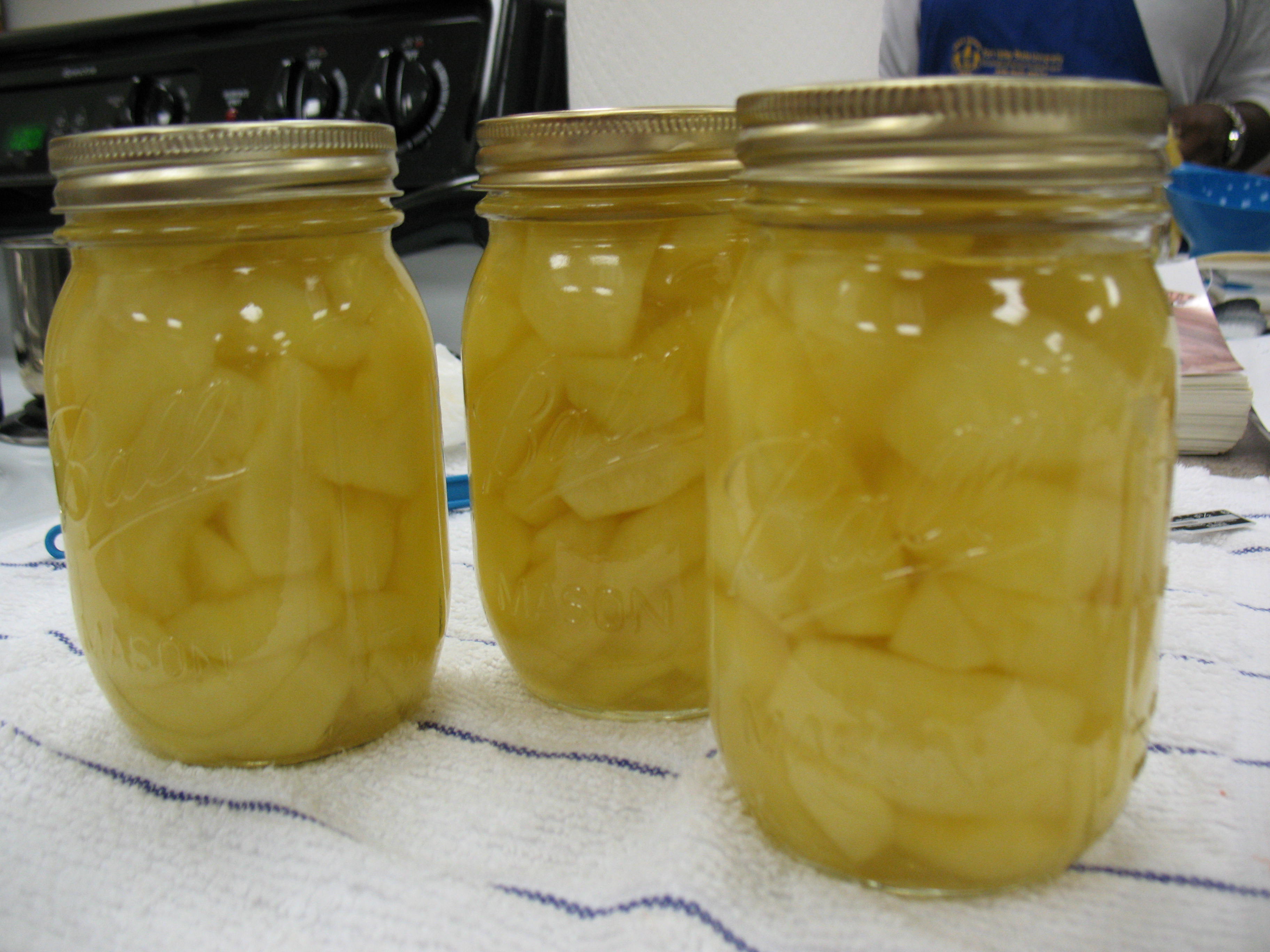
Beware: Pumpkin Butter

You may have seen the recipes for apple butter posted in November, and perhaps you thought about also making pumpkin butter this season. If so, then please consider this: home canning is NOT recommended for pumpkin butter or any mashed or pureed pumpkin or winter squash.

If you are thinking, “but wait, I know I’ve seen recipes for pumpkin butter in the past”, then you are correct. However, as original editions of publications are revised to reflect current scientific discoveries, those older publications become outdated. In the 1994 revision of USDA’s Complete Guide to Home Canning, the only directions for canning pumpkin and winter squash are for cubed pulp. Recommendations for canning mashed winter squash were withdrawn and the statement “Caution: Do not mash or puree.” is even included in the directions.

Why the change? When evaluating recipes for pumpkin or mashed squash, research has found much variability in acidity (pH), viscosity (thickness), and water activity. These three factors are critical to the safety of canned products. If these factors are not known and predictable, then the product cannot be verified to be safe.

Still not convinced?  Here are a few more details:

  •  Pumpkin and winter squash are low-acid foods, meaning that they have a pH value higher than 4.6. Therefore, if Clostridium botulinum bacteria are present and survive processing, and the product has a high enough water activity, then the bacteria can produce toxin in the product. This particular toxin can cause botulism– a very serious illness which can result in death.
  • Research published in 1995 from the University of Missouri found batches made by the same formula to have extremely variable pH values and pumpkin butters produced by home canners were found to have pH values as high as 5.4 (low-acid).
  • Studies at the University of Minnesota in the 1970’s found so much variability in viscosity among different batches of pumpkin purees that a single processing recommendation to cover all the variability could not be calculated.

Basically, the concern is over variability. Even though a large quantity of sugar is often added to make pumpkin butter, it may not be enough to inhibit pathogens. Vinegar or lemon juice may be added to increase acidity (and thereby decrease pH), but with such variability in pH levels, a single recommendation cannot be made to ensure a safe product at this time.

For a response to the FAQ about canning mashed or pureed pumpkin or winter squash, go to the National Center for Home Food Preservation website.
Simple Cranberry Sauce Variations

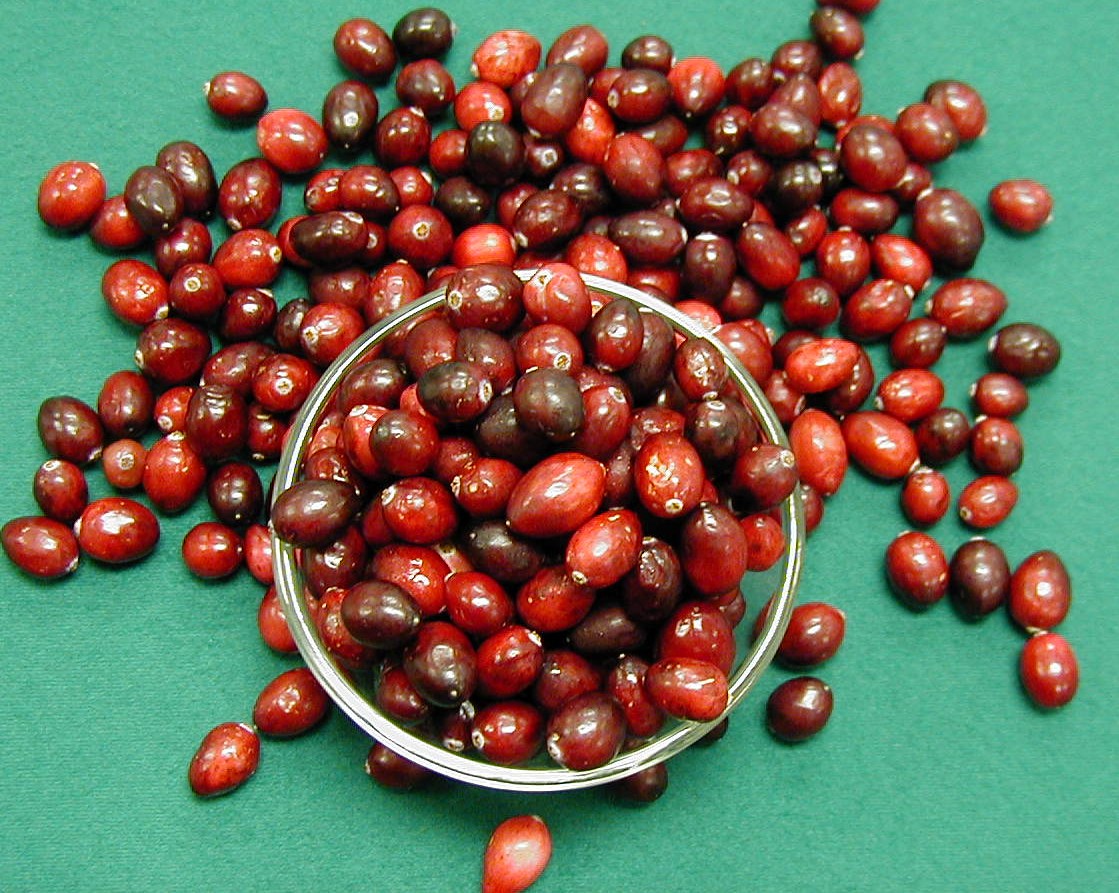
The traditional Thanksgiving meal of turkey with all the trimmings is now past for 2012. Your trimmings may have included the cranberry sauce just as they do for so many families. Cranberries are still in season, and provide a note of tart combined with sweet to compliment many foods as well as turkey and dressing. These weeks between our fall and winter holidays make a good time to still use cranberries. You can can a delightfully simple sauce to use with your holiday meals or for a homemade gift to show others you care. Especially good for beginning home canners, our cranberry sauce is very easy. Whether you prefer whole, crushed, or jelly-style, this cranberry sauce recipe has variations that will be a delightful trimming on the holiday menu and perfect for those delicious sandwiches made from leftover turkey.

Find the full recipe on the National Center for Home Food Preservation website, or view an abbreviated version below.

Here you’ll find three variations of a basic cranberry sauce recipe: whole, crushed, or sieved berries. Have no fear, each of these variations have been tested for safety, appearance, and deliciousness.

If this happens to be your first time canning, it’s recommended that you read Principles of Home Canning. Even if you’ve canned before, please refresh your memory and get up to date on the latest recommendations from USDA by reading Using Boiling Water Canners before beginning.

Cranberry Sauce

Yield:  About 4 half-pint jars (recipe may be doubled)

  • 4 cups cranberries
  • 1 cup water
  • 2 cups sugar
  • 1/2 tsp butter (opt.)

Make a Hot Pack – Wash cranberries. Cook berries in water until soft. To reduce foaming, add ½ teaspoon of butter (optional). Now here’s your choice: gently stir whole berries, crush with a potato masher or the back of a cooking spoon until desired consistency, or press through a fine sieve. Whichever you choose, add sugar and boil 3 minutes. Pour boiling hot sauce into hot jars, leaving ½-inch headspace. Remove air bubbles and adjust headspace if needed. Wipe rims of jars with a dampened clean paper towel; adjust two-piece metal canning lids. Process in a Boiling Water Canner; refer to the table below to determine processing time.

Table 1. Recommended process time for Cranberry Sauce in a boiling-water canner.
Process Time at Altitudes of
Style of Pack Jar Size 0 – 1,000 ft 1,001 – 3,000 ft 3,001 – 6,000 ft Above 6,000 ft
Hot

Half-pints

Pints

 15 min

15 min

20 min

20 min

20 min

20 min

25 min

25 min


For original article, go to the National Center for Home Food Preservation website.

Holiday Gifts for the Home Food Preserver

With the holiday shopping season here, you may either have a special someone on your list for whom it is hard to buy, or you may need some fun stocking stuffers. If that certain someone is a home food preserver, here are a few suggestions that will make them smile this holiday season! These items will make their work easier and more enjoyable. Check kitchen stores or any major shopping venues to purchase these gifts. Of course, specialty catalogs and online shopping will also offer other sources for purchasing.

Here’s a list and check it twice!

* Jar lifter– Essential for easy removal of hot jars from a canner.

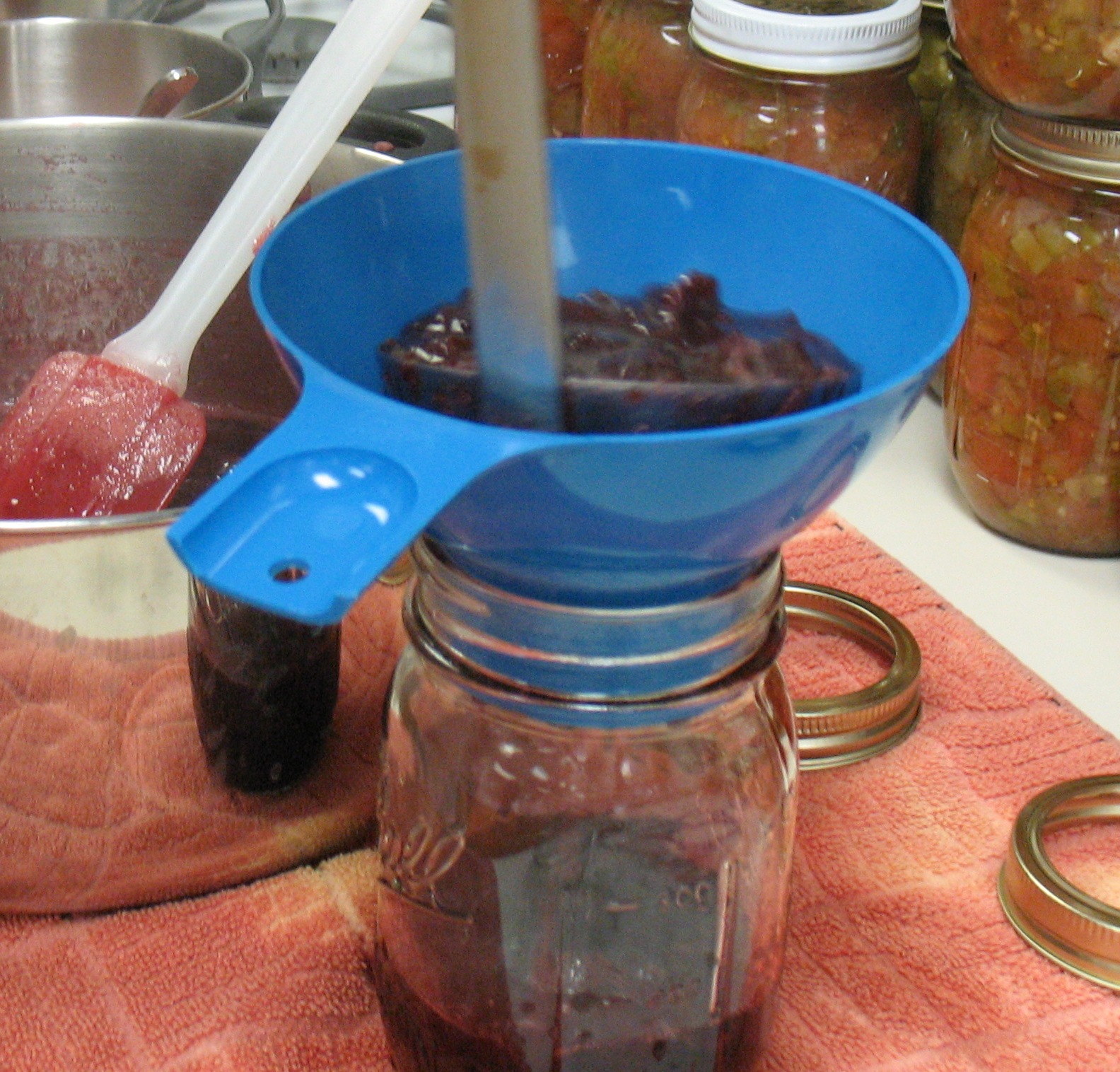
* Jar filler or funnel – Helps in packing of small food items into canning jars.

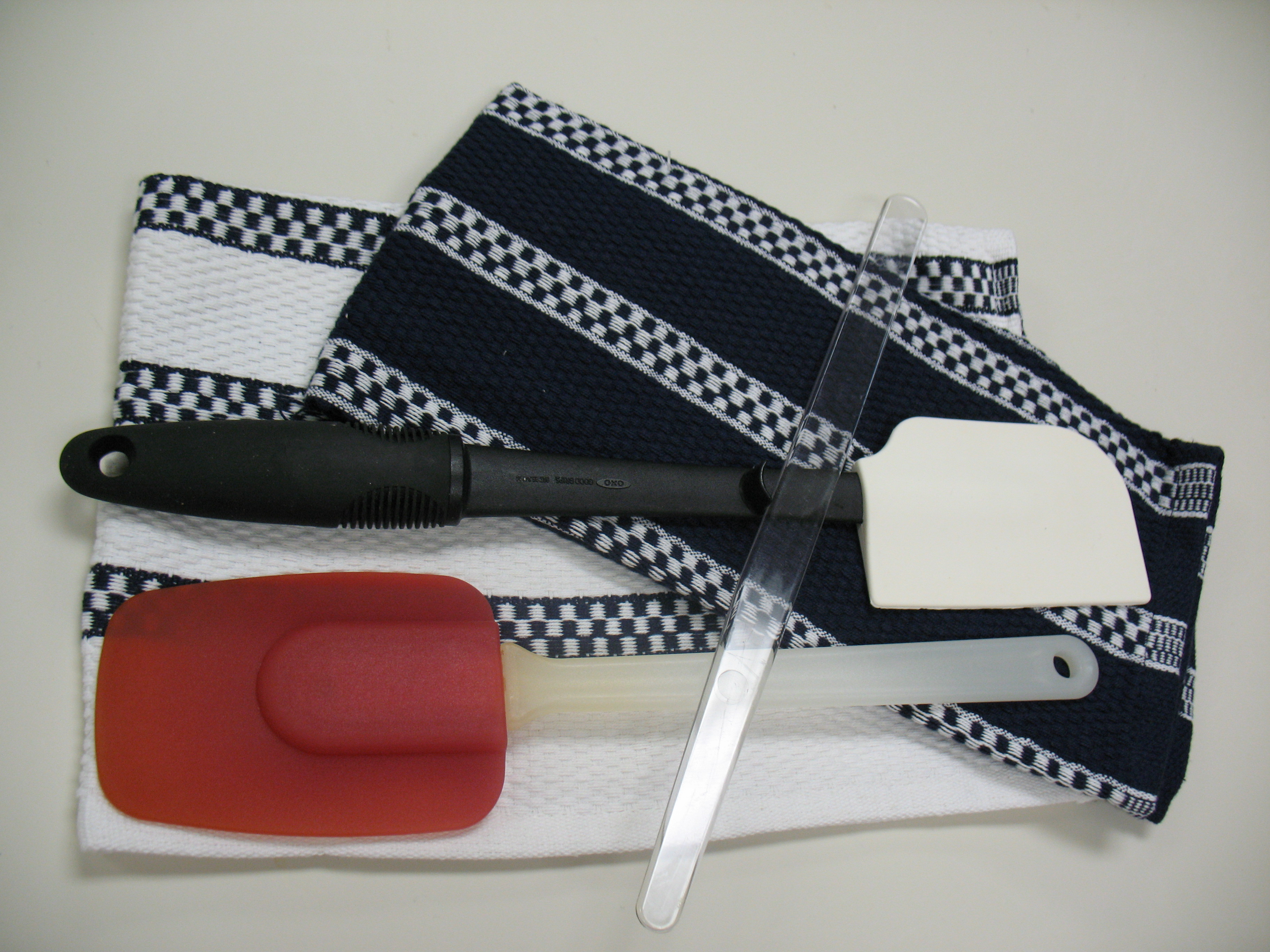
* Plastic spatula – A handy aid for removing air bubbles from the jars. (This must be plastic not metal.)

* Hot pads/trivets – Mitts for hands or counter-top versions for hot items and cooling of canning jars.

* Labels or label printer – Special designs give home-preserved treats a personal touch and may help categorize them (jellies, canned fruits, pickles, etc.). If you can’t find preprinted sheets of labels with food designs, a few sources on the Internet sell CDs with various designs, or some companies have a few free designs to download and customize; you could print your own sheets of labels to include with other gifts.

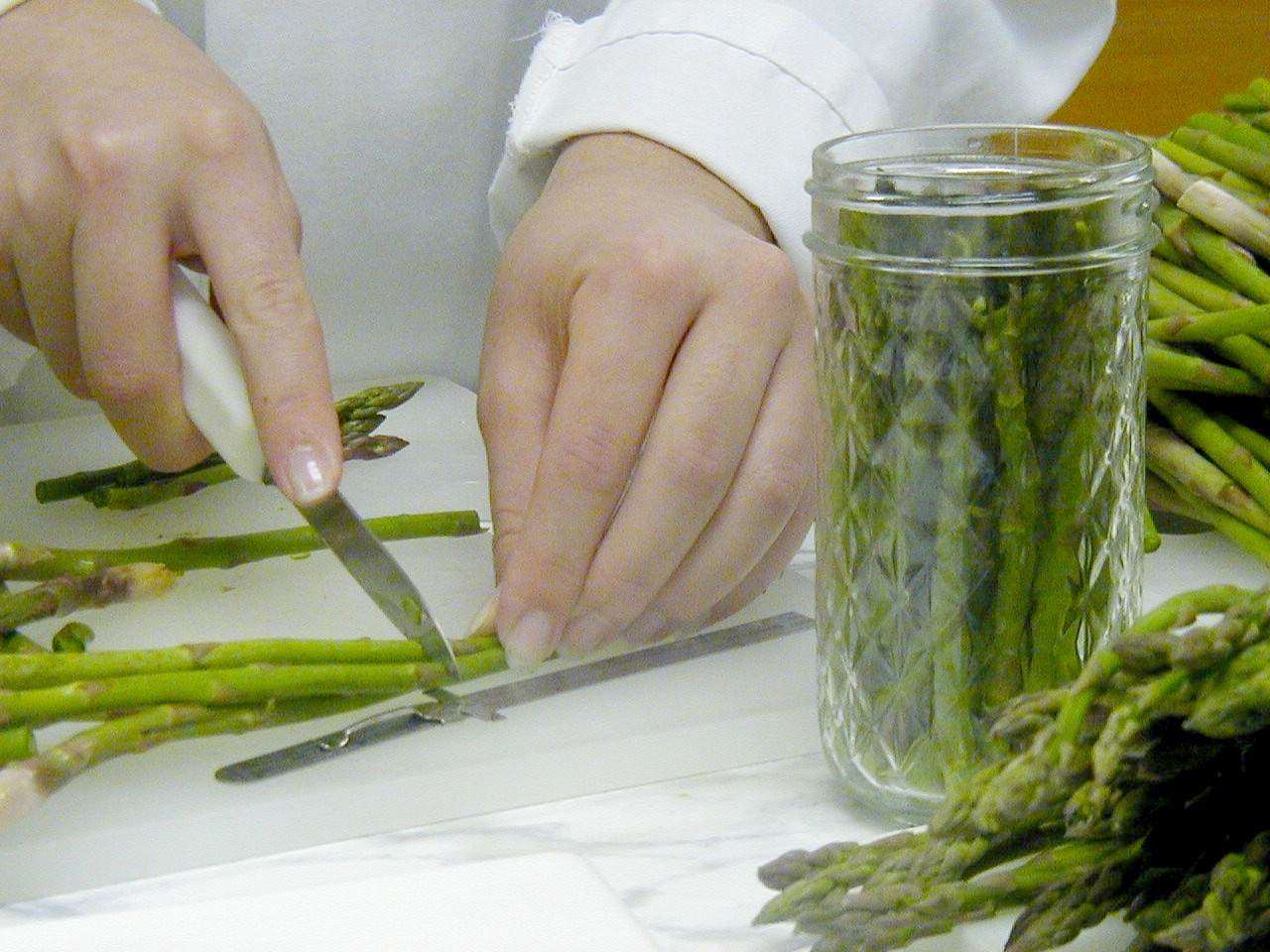
* Sharp knives – It is always a luxury to upgrade to special, new paring and slicing knives for product preparation.

* Magnetic lid grabber – A tool with a magnet on the end that helps remove treated lids from hot water.

* Timer or kitchen clock – These come in a wide array of shapes, sizes and battery or wind up. Find something unique and fun! A good timer with loud signal is a must for timing canning and cooking processes.

* Cutting boards – New, food-safe cutting boards are always appreciated for those who prepare a lot of fresh foods. Plastic, or non-porous, hard maple is best. Some plastic cutting boards today come with antibacterial surfaces, too.

Other home canning accessories for your list for the dedicated home food preserver might include items such as a corn cutter, apple corer/slicer, and special canning spoons or ladles. These are not essential, but can make work easier. A new apron and a set of kitchen towels also make great gifts. These may seem ordinary to some people, when a person does a lot of food preparation, new tools, aprons and towels can be really appreciated! You may also choose items that fit the kitchen décor or collections of your recipient. Taking time to select that perfect gift will make for a great season of food preservation in the months to come.

For original article, go to the National Center for Home Food Preservation website.

Apples are Peaking! Choose the Best Preservation Method

Did you know that once an apple tree begins to bear fruit, it will do so for a century? Today, there are over 2,500 varieties of apples grown in the United States. Fall weather brings the best fresh apples in bushels.

While we are in a season of peak apple production in many states, you might consider preserving some specialties that will add variety to menus throughout the year.  Apples can be dried, made into applesauce or apple butter, or even made into a delicious apple pear jam. Apples do not make the highest quality canned or frozen slices, but they can be preserved by those methods, also.

Whether you are buying apples by visiting the nearby orchard, the grocery store or market, or even picking apples from your own backyard, choose the preservation method that is best for your apple variety. Varieties that are good for freezing include: Golden Delicious, Rome Beauty, Stayman, Jonathan and Granny Smith. Varieties that are good for making applesauce and apple butter include: Golden Delicious, Rome Beauty, Stayman, Jonathan, Gravenstein and McIntosh. Red Delicious apples are best eaten fresh. They do not freeze or cook well.

When selecting your apples, remember that their flavor is best when they are at the peak of maturity.

Here are some options to prepare for and choose from in preserving your apples:

Making and canning a flavorful applesauce: http://www.uga.edu/nchfp/how/can_02/applesauce.html

Making and canning a tasty, robust apple butter: http://www.uga.edu/nchfp/how/can_02/apple_butter.html

For those who want a no-sugar added apple butter: (ours was developed  for sucralose as a sweetener) http://nchfp.uga.edu/how/can_02/apple_butter_reduced.html

Drying apple slices or rings: http://www.uga.edu/nchfp/publications/uga/uga_dry_fruit.pdf

Combining the best of fall fruits in tasty pear-apple jam: http://www.uga.edu/nchfp/how/can_07/pear_apple_jam.html

Making old-fashioned, pretty crabapple jelly: http://www.uga.edu/nchfp/how/can_07/crabapple_jelly.html

Canning fun, cinnamon-flavored spiced apple rings: http://www.uga.edu/nchfp/how/can_02/apple_rings_spiced.html

Canning a special, spicy gift quality apple chutney: http://www.uga.edu/nchfp/how/can_06/apple_chutney.html

And, for all those extra apple slices to save for pies and desserts later in the year, freezing: http://www.uga.edu/nchfp/how/freeze/apple.html

Additional ideas and preservation methods are available from the National Center for Home Food Preservation at the University of Georgia, www.homefoodpreservation.com.


For original article, go to the National Center for Home Food Preservation website.