Category Archives: Recipes

Why can’t I can what companies can?

As a home canner looking for new recipes to try out, you might sometimes be inspired by commercial products found on grocery shelves. But even after scouring through all your recipe books, magazines, and online resources there are still some products for which you cannot find home canning recommendations. Why is this? What do these companies have that you don’t?

Well, in summary, companies have two things that home canning does not have: 1) special equipment and 2) lots of money for research.

Commercial facilities have industrial equipment that can reach higher temperatures more quickly than what can be achieved at home. With specialized equipment, they are also able to control the consistency and maturity of ingredients. This control reduces the variability of the canning process, which allows for more reliable research (and therefore more product development) than can be done for home-canning practices.

Companies pay to conduct expensive research in order to determine safe product formulas and processing methods for each and every product. Even if just one ingredient is added to an already approved product, that new recipe must be carefully tested before being manufactured for sale. Acidity levels, water activity, and heat penetration are all critical factors influencing processing times, and these factors vary greatly among different recipes.

Proper studies to establish processing times for both commercial and home-canned recipes are crucial to the safety of canned foods. Without proper processing times, there is significant risk of botulism resulting from under-processed canned foods, especially low acid foods. Experimentally determining safe processing times requires a lot of time and money, and there is no easy formula to take into account the way that each product heats in each canning situation. Commercial and home-canning processes are not interchangeable. That is why there are fewer recipes and processes for home canning than many people would like.

For more information about heat processing of home-canned foods, read this ‘Backgrounder’ by Elaine M. D’sa.
Spice up the season

If you’ve had enough sweets, but you’re still looking for a way to brighten up the winter days, try mixing together a spicy red hot sauce! This recipe is easy to follow and uses ingredients that are available no matter what the season. Easy Hot Sauce is great for stirring into vegetables or cheese dips and spicing up soups and chili.

Easy Hot Sauce

You’ll need:

  • 8 cups (64 ounces) canned, diced tomatoes, undrained
  • 1½ cups seeded, chopped Serrano peppers
  • 4 cups distilled white vinegar (5 percent)
  • 2 teaspoons canning salt
  • 2 tablespoons whole mixed pickling spices

This recipe yields four half-pint jars. Wear gloves when handling, cutting and seeding hot peppers or wash hands thoroughly with soap and water before touching your face or eyes.

Start by washing half-pint canning jars; keep hot until they are filled. Prepare lids according to the manufacturer’s directions.

Next, place mixed pickling spices in a spice bag and tie ends firmly. Mix all ingredients in a Dutch oven or large saucepan. Bring to a boil, stirring occasionally. Simmer for 20 minutes or until tomatoes are soft.

IMG_0936IMG_0180

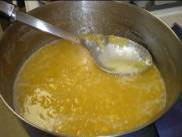
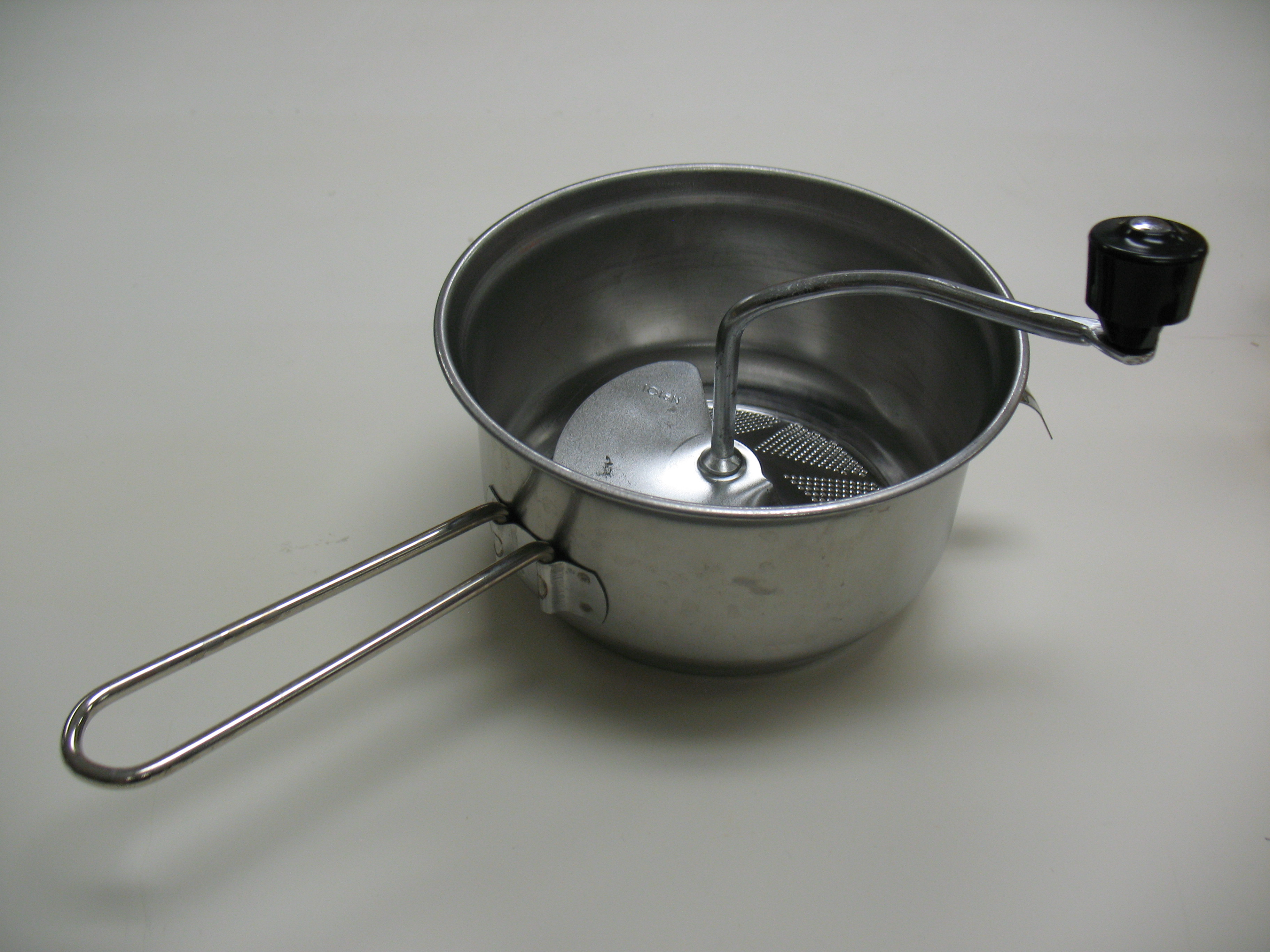
Press mixture through a food mill. Return the liquid to the pot, heat to boiling and boil for 15 minutes.

Fill hot sauce into clean, hot half-pint jars, leaving ¼-inch headspace. Remove air bubbles and adjust headspace if needed. Wipe rims of jars with a dampened clean paper towel; apply two-piece metal canning lids.

Process in a boiling water canner for 10 minutes (15 minutes if 1,000-6,000 ft. altitude; 20 minutes if over 6,000 ft.). Allow hot sauce to cool, undisturbed, for 12 to 24 hours and check seals. You can remove screw bands after the food has cooled if the lids are sealed.

P1010090

This entry is an edited version of an article originally written by April Reese Sorrow and Elizabeth L. Andress.

A sweet spread for your sweetheart

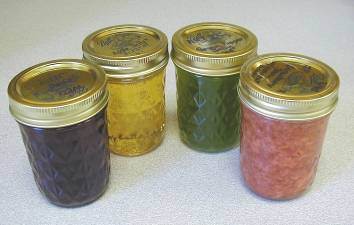
Jelly jars

The spring and summer months allow a wealth of fresh canning possibilities. Tomatoes, corn and green beans from gardens can keep you canning or freezing until you wear out. But by winter, you may be ready to try some different types of preserves. Perhaps you’re also looking for ways to sweeten the upcoming Valentine’s Day holiday with home-preserved gifts for your loved ones.

Elizabeth Andress is the Director of the National Center for Home Food Preservation, which is hosted by the College of Family and Consumer Sciences at the University of Georgia. She said recipes available from the Center using juice concentrates and canned vegetables enable canners to preserve in winter. “There are recipes perfect for people yearning to can in the winter,” Andress said. “You don’t always have to can with fresh fruits and vegetables. Some of those preserves also make nice holiday gifts.”

Orange Jelly from Frozen Juice

This recipe calls for frozen concentrated juice and powdered pectin and creates a delightful, flavorful orange jelly for toast or biscuits on dreary winter mornings or late afternoons.

For five or six half-pint jars, you’ll need:

  • 12 ounces concentrated orange juice, thawed
  • 2½ cups water
  • 4½ cups sugar
  • 1 box powdered regular pectin

Begin by sterilizing your canning jars. To sterilize jars, boil empty, washed and rinsed jars for 10 minutes in water. The easiest way to do this is to stand empty jars upright on a rack in a boiling water canner filled with clean water. Keep jars hot until they are filled.

Measure sugar and set aside. Mix juice and water in a saucepan and stir in powdered pectin. Bring to a full boil over high heat, stirring constantly. Once boiling, stir in all sugar. Stir and bring to a full boil that cannot be stirred down. Boil hard for one minute, stirring constantly.

Skimming foam (1)

Remove from heat; skim off foam quickly. Pour hot jelly immediately into hot, sterile jars, leaving ¼-inch headspace. Wipe rims of jars with a dampened clean paper towel; adjust two-piece metal canning lids. Process in a boiling water canner for 5 minutes (10 minutes if 1,000-6,000 ft. altitude; 15 minutes if over 6,000 ft.). Allow jelly to cool, undisturbed, for 12 to 24 hours and check seals. You can remove screw bands after the food has cooled if the lids are sealed.

This entry is an edited version of an article originally written by April Reese Sorrow and Elizabeth L. Andress.

If you haven’t stored your pressure canner for the season…

Cans of Tomato Veggie Soup

…then it’s a great time to can soups! (And of course, even if you thought you were done for the season and have put it nicely away in storage, then you can still pull it back out.)

To warm up these wintry days, prepare and preserve your favorite mix of vegetables, beans or peas, meat, poultry or seafood into a hearty soup. In order to produce a safe preserved product with these low-acid foods, you’ll need to use a pressure canner. You’ll also want to follow these recommendations from USDA:

If this is your first time canning or you admit that you could benefit from a refresher of the basics, please first read Using Pressure Canners and Principles of Home Canning.

Jars of soup in pressure canner

It is important that you DO NOT add noodles or other pasta, rice, flour, cream, milk, or other thickening agents to your home canned soup. These ingredients effect the heat penetration of the jars during processing and USDA does not offer recommendations for their use. Also, if you do choose to use dried beans or peas, you MUST fully rehydrate them first so as not to alter the measurement of water in the final products.

The procedure is fairly simple: select, wash, and prepare vegetables, meat, and/or seafood as you would for a hot pack. For more information about preparing for hot packs, refer to So Easy to Preserve or the National Center for Home Food Preservation website. If you are including meat, then cover meat with water and cook until tender. Cool the meat and remove any bones. If you are using dried beans or peas, then add 3 cups water for each 1 cup of beans or peas, boil 2 minutes, and then remove from heat. Soak for 1 hour, then again heat to a boil, and drain.

Soup filled jars half and half

In a large stock pot, combine solid ingredients with enough broth, tomato juice, or water to cover them. Boil 5 minutes. Add salt (or other dried spices) to taste, if you like. Fill jars halfway with solid mixture, and then add the remaining liquid, leaving 1-inch headspace. Adjust lids and process using the tables below.

Original sources for this entry come from the National Center for Home Food Preservation website and So Easy to Preserve .

Recommended process time for Soups in a dial-gauge pressure canner.

Canner   Pressure (PSI) at Altitudes

Style   of Pack

Jar   Size

Process   Time

0-2,000ft

2,001-4,000ft

4,001-6,000ft

6,001-8,000ft

Hot

Pints

60* min

11   lb

12 lb

13 lb

14 lb

Quarts

75* min

11   lb

12 lb

13 lb

14 lb

* Caution: Process 100 minutes if soup contains seafoods.
Recommended process time for Soups in a weighted-gauge pressure canner

Canner   Pressure (PSI) at Altitudes

Style   of Pack

Jar   Size

Process   Time

0-1,000ft

Above   1,000ft

Hot

Pints

60* min

10   lb

15 lb

Quarts

75* min

10   lb

15 lb

* Caution: Process 100 minutes if soup contains seafoods.