Category Archives: Pickling

Delightful Fresh Dill Cucumber Relish Recipe

If you haven’t planted cucumbers or dill yet, then this recipe might bring you inspiration to get out and add these delicious plants to your garden. Fresh Dill Cucumber Relish is our own take on a sweet, not salty, relish that is great for your homegrown fresh dill. For a sweet, light, refreshing treat, chill this relish in the refrigerator and try it on tortilla chips!

If this is your first time canning, or if you could use a review of the basics, please read Using Boiling Water Canners and Principles of Home Canning before beginning.

Fresh Dill Cucumber Relish

Makes about 6 to 7 pint jars

Ingredients:

–          12 cups chopped pickling cucumbers (about 4 ½ pounds)

–          3 cups chopped red bell pepper

–          1 cup chopped onion

–          ¼ cup pickling or canning salt

–          4 cups crushed or cubed ice

–          8 cups water

–          5 cups cider vinegar (5%)

–          1 cup sugar

–          1 cup water

–          2 tablespoons mustard seed

–          1 cup chopped fresh dill

–          1 teaspoon garlic powder

Procedure:

  1. Wash and rinse pint canning jars; keep hot until ready to use. Prepare lids and bands according to manufacturer’s directions.
  2. Prepare cucumbers and peppers by first washing them well. After washing the cucumbers, slice a thin piece from both the stem and blossom ends and discard. Cut into about 1-inch pieces and then chop in a food processor (using about 3 pulses on “chop”) to yield about ¼-inch or slightly larger pieces. Measure 12 cups of the chopped cucumber.
  3. After washing the peppers, remove the stem, seeds and white membranes. Cut into about 1-inch pieces or slices and then chop in a food processor (using about 3 pulses on “chop”) to yield about ¼-inch or slightly larger pieces. Measure 3 cups of the chopped pepper.
  4. Remove the skin from onions. Wash well and chop into about ¼-inch cubes, or process to size in a food processor as for peppers. Measure 1 cup of the chopped onion.
  5. Combine measured chopped cucumber, pepper and onion with salt, ice and the 8 cups water in a large bowl or saucepot. Cover; let stand 3 to 4 hours in refrigerator. Drain; rinse thoroughly with ice cold water and drain well again through a cheesecloth-lined strainer (until no more water drips through, about 15 to 20 minutes).
  6. Heat vinegar, sugar, 1 cup water, and remaining ingredients in a stockpot while stirring, until sugar dissolves. Add drained, chopped vegetables, and bring to a boil. Reduce heat and simmer 10 minutes.
  7. Fill hot relish into clean, hot pint jars leaving ½-inch headspace. Remove air bubbles and adjust headspace if needed. Make sure liquid covers the top of the food pieces. Wipe rims of jars with a dampened, clean paper towel; apply prepared canning lids.
  8. Process in a boiling water canner according to the recommendations in the table below. Let cool, undisturbed, 12 to 24 hours and check for seals.
Table 1. Recommended process time for Fresh Dill   Cucumber Relish in a boiling-water canner.

Process Time at Altitudes   of

Style of Pack

Jar Size

0 – 1,000 ft

1,001 – 6,000 ft

Above 6,000 ft

Hot

Pints

15 min

20

25

Note: This recipe was developed at The University of Georgia, Athens, for the National Center for Home Food Preservation. It is also available at http://nchfp.uga.edu/how/can_06/fresh_dill_relish.html.

Umm…what exactly is botulism? (Part I)

Glad you asked. This question is going to be answered in three parts, because it’s rather hefty, but very important to home food preservers, especially people who like to make canned products. The next three entries will cover the topics of Botulism: Sources (what it is and what it does), Botulism: Solutions (how you can prevent it), and Botulism: Surprises (did you know…).

Botulism: Sources

You’ve probably heard of botulism, and you likely know it’s a deadly foodborne disease. But do you know what causes botulism and how it works?

Let’s start by examining the source of botulism: rod-shaped bacteria called Clostridium botulinum. This microorganism is commonly found in soil and in marine sediment. It exists in two forms: as protected structures called spores, and as vegetative cells. To picture these forms, you could imagine spores like seeds and vegetative cells like sprouting plants.

C. botulinum spores are extremely common in soil and marine sediment, and therefore are also commonly found on the surfaces of fruits, vegetables, and seafood. Spores are generally harmless to adults (but can be harmful to infants; more about that later). The spore stage is formed when the bacteria are in an environment they find unfavorable; it is a protective stage that keeps the cell dormant or inactive but allows it to survive. When conditions are favorable, spores germinate into vegetative cells. Active vegetative cells are able to colonize and produce deadly botulinum toxin.

So what are those favorable conditions that allow the growth of C. botulinum?  Very low oxygen (such as in a sealed canning jar) and low acidity, meaning a pH value of 4.6 or above (such as in meats, vegetables, and some tomatoes, figs, and Asian pears).  That is why home food preservers need to be informed about Clostridium botulinum— you are not only dealing with the bacteria, but also the conditions ripe for them to grow out and produce toxin.

jars of veggies

What are the signs and symptoms of botulism? When consumed by humans, the neurotoxin produced by vegetative cells binds to nerve endings that join muscles, preventing muscles from contracting. Symptoms begin with nausea, vomiting, weakness, and dizziness which usually appear 12-36 hours after consuming the toxic food. Next are neurological symptoms such as blurry vision, difficulty speaking and swallowing, and lack of muscle coordination. Eventually the diaphragm and chest muscles become affected, which prevents breathing and results in death from asphyxia.

Can you do anything to stop botulism once the illness begins to affect the human body? Quick medical attention and injection of antitoxin can stop, but rarely reverse, nerve damage. Also, the antitoxin cannot always be used due to serious side effects.

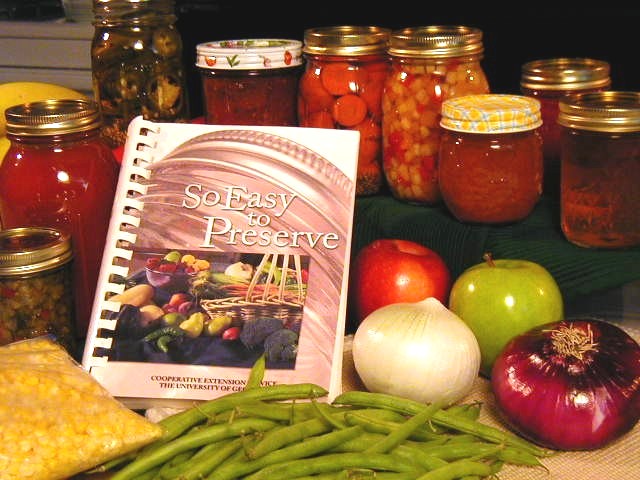
Information in the entry comes from the USDA Factsheet Clostridium botulinum and So Easy to Preserve.

From One Home to Another…

…how to get your homemade foods to loved ones’ homes.

Chances are that you have someone on your gift list that doesn’t live in your home, or even in your neighborhood, city, or state. But if you’ve made amazing food products then you probably want to share them with everyone you love- including those who are far away! You might have concerns not only about proper packaging, but also about food safety and shelf life. So, a few mail order tips for you to keep in mind, from the USDA Food Safety and Inspection Service:

Jams, jellies, and pickles will last a year if unopened, so the major concern is proper padding in shipping packages so that no containers break open. Remember to mark the package as “Fragile”.

If your homemade goodies have a suggested shorter shelf life, be sure to tell the recipient. For example, whether unopened or opened, dried fruits are recommended to be consumed within one month at room temperature, and six months if kept refrigerated.

If you’re dealing with perishable food items, then you’ve got more immediate food safety concerns. Ideally, send items as quickly as you can and mail them with overnight delivery. Let your lucky recipients know that the gift is on its way, and label packages with “Keep Refrigerated” to remind them. Send packages at the beginning of the week (or at least not the end of it) so that they do not sit in the mailing facility over a weekend.

Most meat, poultry, fish, and dairy products (like cheesecake, yum) are especially perishable and must be handled in a timely manner or else the risk of foodborne illness is very high. Generally, these items must be packed cold or frozen, packaged with a cold source (frozen gel packs or dry ice), and boxed in corrugated cardboard. If meat or poultry arrives at higher than 40°F, as measured with a food thermometer, then it should not be eaten. 40°F to 140°F is the “Danger Zone” for perishable foods, because if they are held at in this temperature range for longer than two hours, then dangerous pathogenic bacteria can grow rapidly.

Some meat and dairy products are exceptions, and do not require refrigeration when properly packaged and unopened. These items include hard salami, hard cheese, and country ham.

If you have more questions, whether you be the sender or the recipient, contact the USDA Meat and Poultry Hotline with questions about meat, poultry, or egg products: 1-888-MPHotline (1-888-674-6854), or the FDA Outreach and Information Center with questions about any other foods: 1-888-723-3366.

The information in this entry comes from the Mail Order Food Safety Factsheet by the United States Department of Agriculture Food Safety and Inspection Service.

Holiday Gifts for the Home Food Preserver

With the holiday shopping season here, you may either have a special someone on your list for whom it is hard to buy, or you may need some fun stocking stuffers. If that certain someone is a home food preserver, here are a few suggestions that will make them smile this holiday season! These items will make their work easier and more enjoyable. Check kitchen stores or any major shopping venues to purchase these gifts. Of course, specialty catalogs and online shopping will also offer other sources for purchasing.

Here’s a list and check it twice!

* Jar lifter– Essential for easy removal of hot jars from a canner.

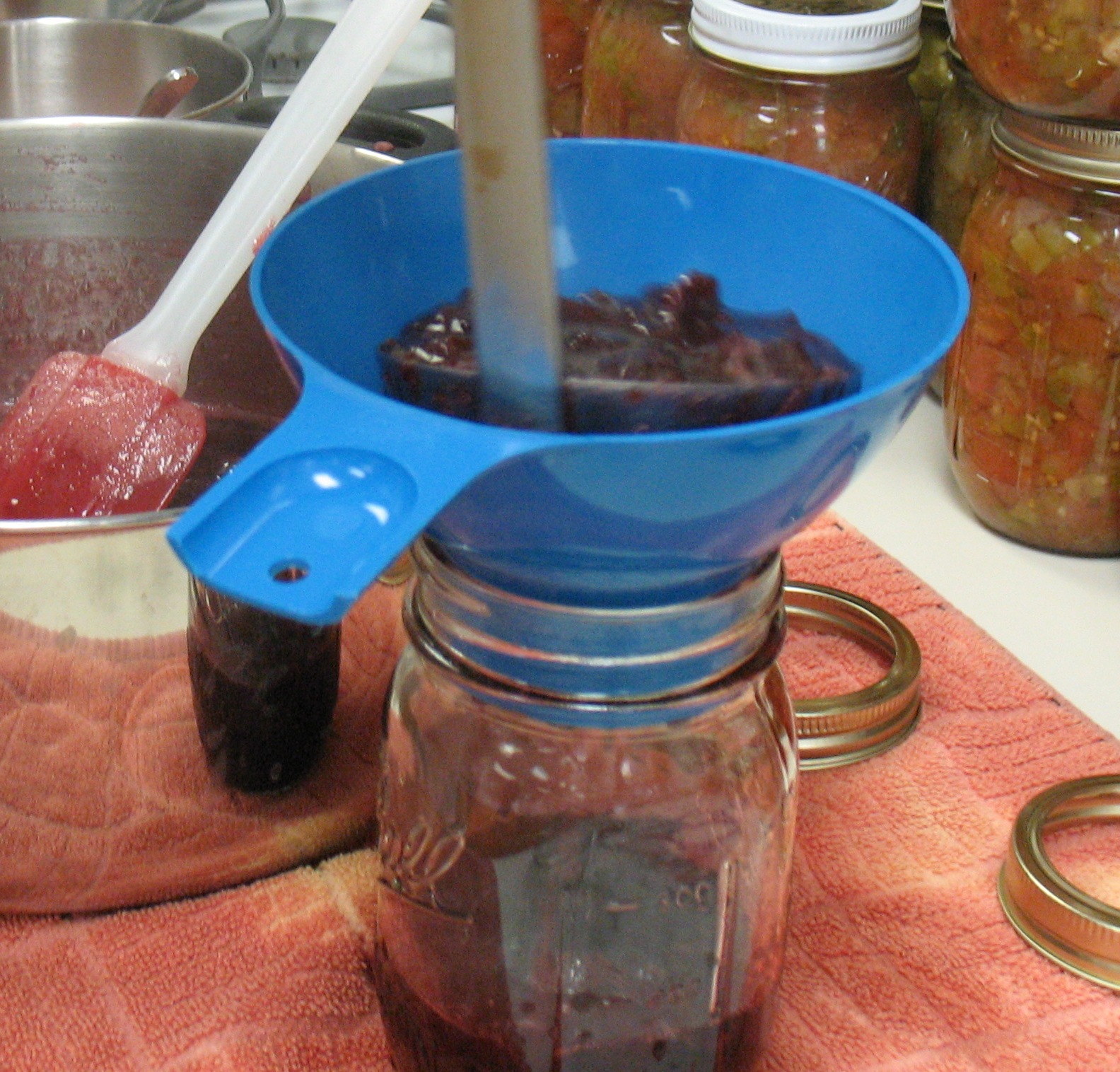
* Jar filler or funnel – Helps in packing of small food items into canning jars.

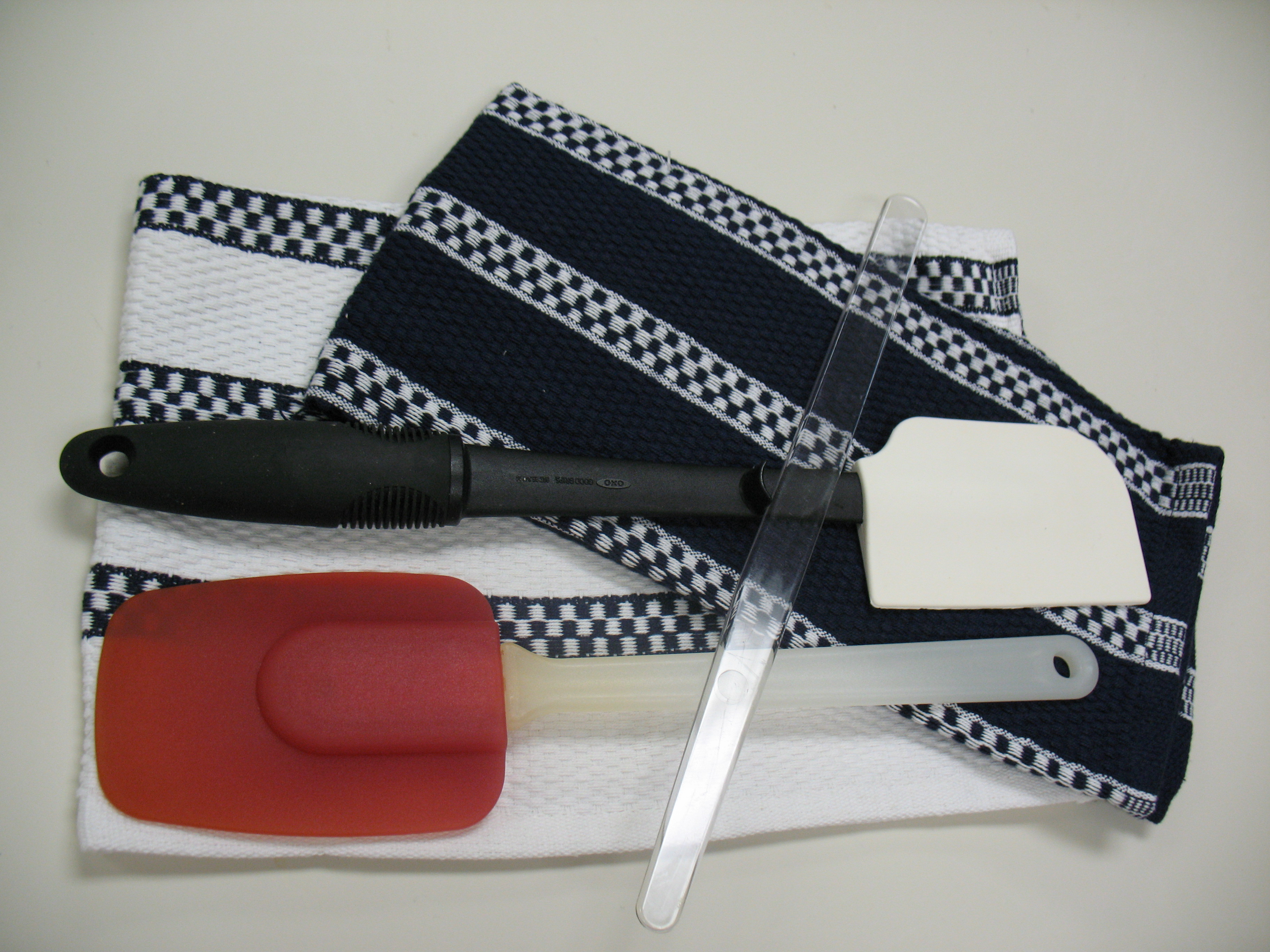
* Plastic spatula – A handy aid for removing air bubbles from the jars. (This must be plastic not metal.)

* Hot pads/trivets – Mitts for hands or counter-top versions for hot items and cooling of canning jars.

* Labels or label printer – Special designs give home-preserved treats a personal touch and may help categorize them (jellies, canned fruits, pickles, etc.). If you can’t find preprinted sheets of labels with food designs, a few sources on the Internet sell CDs with various designs, or some companies have a few free designs to download and customize; you could print your own sheets of labels to include with other gifts.

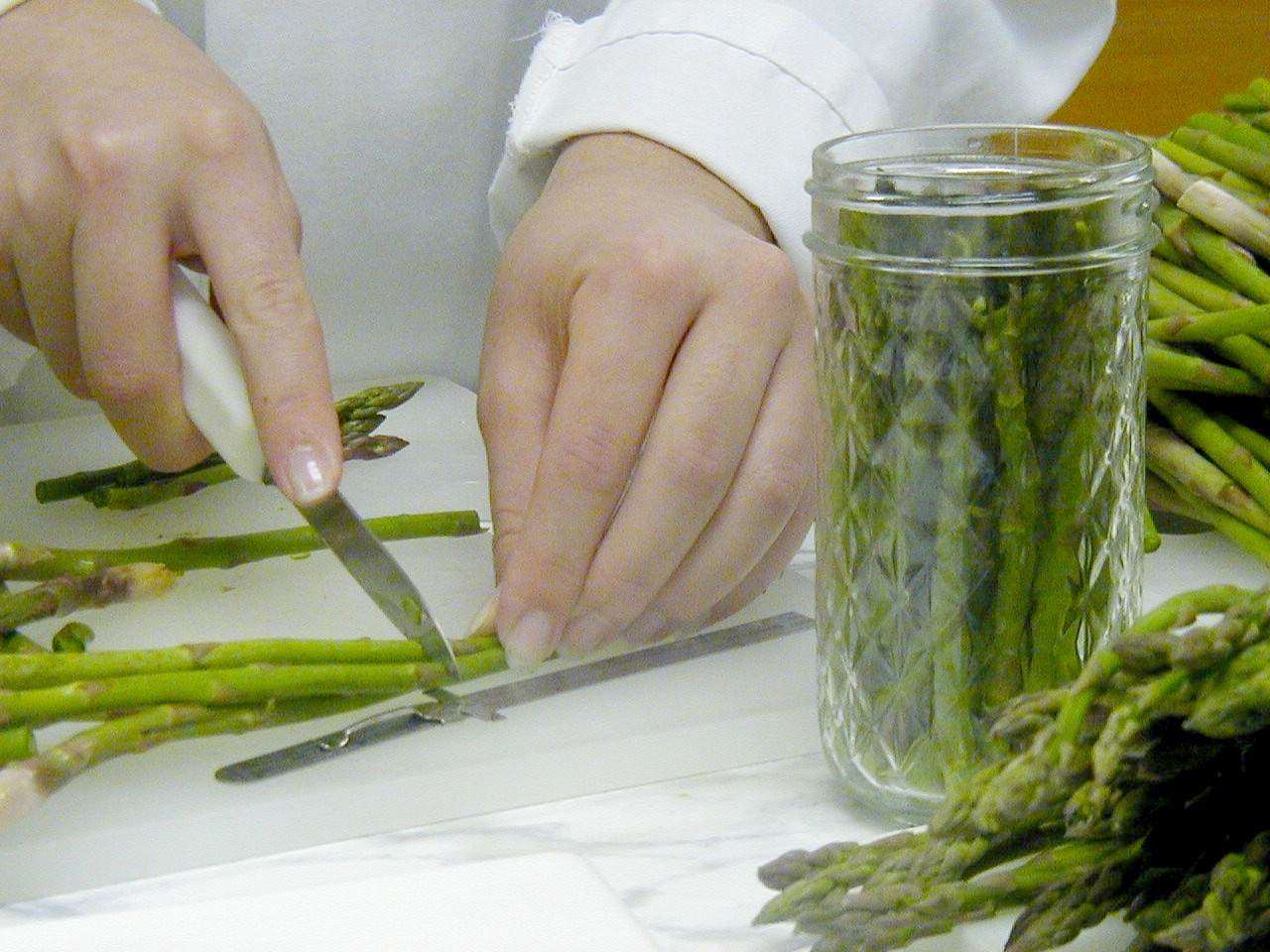
* Sharp knives – It is always a luxury to upgrade to special, new paring and slicing knives for product preparation.

* Magnetic lid grabber – A tool with a magnet on the end that helps remove treated lids from hot water.

* Timer or kitchen clock – These come in a wide array of shapes, sizes and battery or wind up. Find something unique and fun! A good timer with loud signal is a must for timing canning and cooking processes.

* Cutting boards – New, food-safe cutting boards are always appreciated for those who prepare a lot of fresh foods. Plastic, or non-porous, hard maple is best. Some plastic cutting boards today come with antibacterial surfaces, too.

Other home canning accessories for your list for the dedicated home food preserver might include items such as a corn cutter, apple corer/slicer, and special canning spoons or ladles. These are not essential, but can make work easier. A new apron and a set of kitchen towels also make great gifts. These may seem ordinary to some people, when a person does a lot of food preparation, new tools, aprons and towels can be really appreciated! You may also choose items that fit the kitchen décor or collections of your recipient. Taking time to select that perfect gift will make for a great season of food preservation in the months to come.

For original article, go to the National Center for Home Food Preservation website.