Category Archives: Pickling

How do you like your eggs? Scrambled, Fried…or Pickled!

Whether your eggs come from your backyard chickens, the grocery store, or the Easter bunny, you might find yourself looking for different ways to prepare and preserve your abundance of springtime eggs.

There are no tested, reliable home canning recommendations for keeping pickled eggs at room temperature that we are able to recommend. Eggs are a low-acid food, and it is possible for botulism to grow in areas of a boiled egg that have not been sufficiently saturated by vinegar. The density, thickness, and very low acidity of eggs (pH ranges between 6.4 and 9.0) all present challenges for adequate penetration of vinegar and sufficient acidification throughout all areas of each egg. To read more about a case of home-pickled eggs implicated as a cause of botulism in Illinois in 1997, click here.

Instead of going through the steps of a canning process, simply make delicious pickled eggs safely at home by following recipes and instructions designed for refrigerator storage. Be sure to wash all utensils and surface areas (including hands) very well and sanitize jars for 10 minutes in boiling water before filling with boiled eggs if you expect to keep them for more than several days. Keep pickled eggs refrigerated, and limit their amount of time out of the fridge to 2 hours or less. Give them about 2 weeks to season in the brine before tasting. Unless otherwise indicated, you’ll want to consume refrigerated pickled eggs within 2 to 3 months for best quality. You can find more pickling tips and recipes on the NCHFP website.

refrigeratorHere is a basic recipe, copied directly from the pages of So Easy to Preserve:

Refrigerated Pickled Eggs

16 fresh eggs

2 TBSP whole allspice

2 TBSP whole peppercorns

2 TBSP ground ginger

4 cups white vinegar (5%)

2 TBSP sugar

Cook eggs in simmering water for 15 minutes. Place eggs in cold water, remove shells, and pack into sterilized jars. In a pot combine vinegar, sugar, and spices. Bring to a boil, reduce heat, and simmer 5 minutes. Pour hot liquid over hard-boiled eggs. Seal. Store in refrigerator. Use these pickled eggs within a month. This recipe is not intended for long term storage at room temperature.

Recipe from: Andress, E.L., Harrison, J.A., eds. (2006). So Easy to Preserve, 5th ed. Athens, GA: University of Georgia Cooperative Extension. ©University of Georgia.
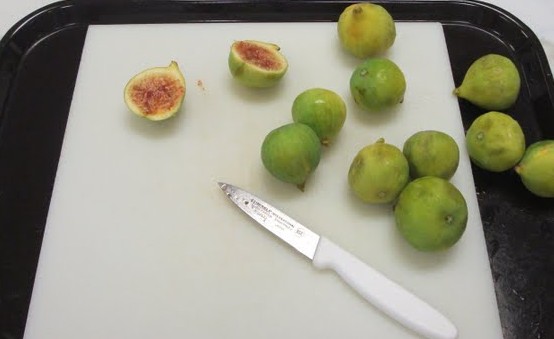
Preserving the Fickle Fig

Whole and sliced figsFigs can be perfectly ripe when you pick them from the tree, then just a few days later they are notably far less appealing. With an extensive history of cultivation and consumption, fig trees provide us with fruit that is often preserved in order to extend its revered but fleeting qualities of flavor and texture.

Although a fruit, figs also display a borderline pH value for preserving as an acid food. Most fruits are clearly acid foods, with a pH below 4.6. (Vegetables, by the way, tend to be low acid foods, with pH values above 4.6.) Just a few fruits, figs among them, naturally range in pH right around 4.6, making them a borderline acid/low acid food since the pH can go above 4.6. Therefore, to be safely processed in a boiling water canner, some acid needs to be added to figs to keep them safe from botulism risk. You will see in the recommendations below that lemon juice or citric acid must be added, in the amounts called for, to home-canned fig products.  These acidification levels were determined through research.

Here are a few tested recommendations for preserving figs to try the next time you find yourself with fresh figs on your trees, or in your hands:

Fig Preserves is the recipe to use if you want to keep the plump fruits whole. This is a traditional southern-style whole fruit preserves, not a spread like jam. Fig Jam without added pectin directs you to chop the figs, and contains less sugar and less lemon juice than its crushed-fruit, pectin-added counterpart, Fig Jam with liquid pectin. If you’re willing to mix fruit flavors, then you might like to try Strawberry-Fig Preserves, which uses gelatin to help obtain a gel.

Another option for canning is to make Fig Pickles!

You may also choose to Freeze your figs. Unlike when canning, acid does not need to be added to figs in order to safely freeze them. However, it is suggested that lemon juice or ascorbic acid is added for the purpose of preventing discoloration and maintaining the highest quality of the figs.

Fresh fig halves on dryer trayFigs are excellent fruits for drying. To dehydrate figs, select fully ripe fruit and wash or clean the whole fruit with a damp cloth. Leave small fruit whole, and cut larger fruit in half. You should pretreat figs to be left whole by “checking” them.  Dip them in boiling water for 30 seconds or until skins split, then plunge them in ice water to stop further cooking. Be sure to drain them well on paper towels before loading them onto dehydrator trays and drying them for 6 to 12 hours.  The moisture inside the figs needs an escape route for drying out before intact skins would get too tough and dry.

Dried green figs

To learn more about dehydrating, please read Preserving Food: Drying Fruits and Vegetables.

So long Summer Squash…see you this winter!

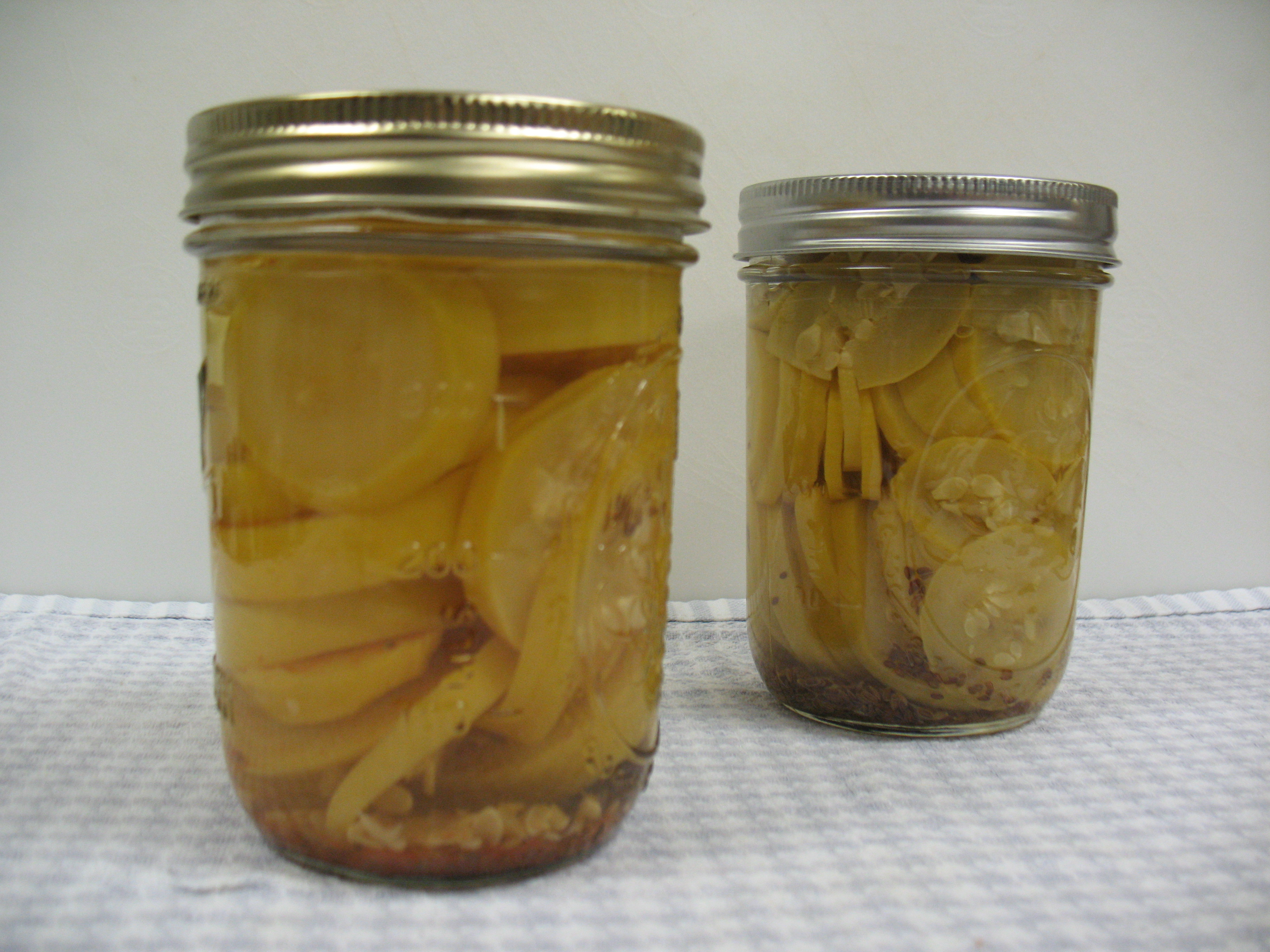
Squash PicklesSo, if you’ve already grilled squash outside for a cook-out, prepared stir-fry with squash, enjoyed a delicious squash casserole, and even fried squash blossoms, then you might be wondering what else you can do with the summer squash that’s still coming in. Preserve it!

One tasty option is to make Squash Pickles, following these recommendations from USDA/University of Georgia:

Recipe makes about 5 pint jars.

Ingredients:

4 pounds summer squash (or zucchini)

½ cup canning salt

1 quart vinegar (5%)

1 cup water

Dill seed (1 teaspoon per pint)

Garlic (1 clove per pint, if desired)

Procedure:

Wash squash, remove ends and slice into rounds. Pack garlic, dill seed, and squash into jars, leaving ½-inch headspace. Bring vinegar, water, and salt to a boil; simmer for 5 minutes. Fill jars to ½ inch from top of jars with the boiling hot liquid. Remove air bubbles and check that headspace is still ½-inch. Wipe jars rims and apply lids as directed by manufacturer. Process 15 minutes in a boiling water bath (remember to make altitude adjustments as needed). For a crisper product, you may want to add an agent such as crisping products containing calcium chloride.

Generally you CANNOT safely make substitutions in tested recipes, but there are a few noted exceptions.  USDA does support the substitution of summer squash for cucumbers in this recipe for Bread-and-Butter Pickles, which you might like if you prefer a sweeter flavored pickle.  If you are not a fan of pickles, then you may prefer to include summer squash as a substitute for zucchini in the recipe for canning Mixed Vegetables .

Zucchini PicklesCanning summer squash (without pickling) is not recommended, so if you prefer the flavor of plain squash, follow these directions for Freezing Summer Squash.

Recipe from So Easy To Preserve, edited by Elizabeth Andress and Judy Harrison, printed 2011.

Pickling…Not just for Cucumbers

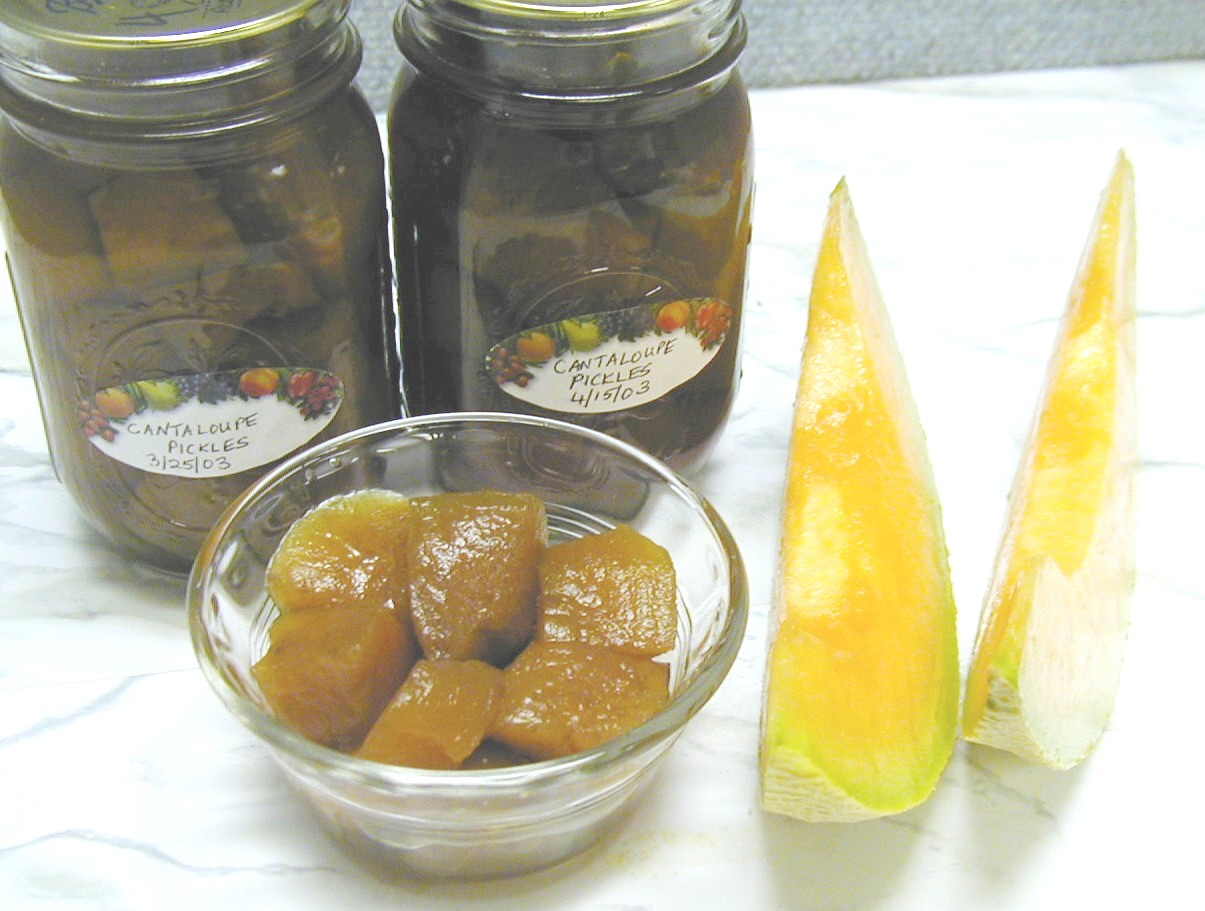
Pickled Cantaloupe

Dill, sweet, fresh-pack, fermented…there are many varieties of pickles to choose from. While these types of pickles are available on grocery shelves as well as in recipes, most of the pickles on the grocery shelves are made with cucumbers. What if you want to try a different type of fruit or vegetable as a pickled product? Then follow the links to tested recipes from the National Center for Home Food Preservation and add one or two of these fruit and vegetable pickle recipes to your home food preservation practice.

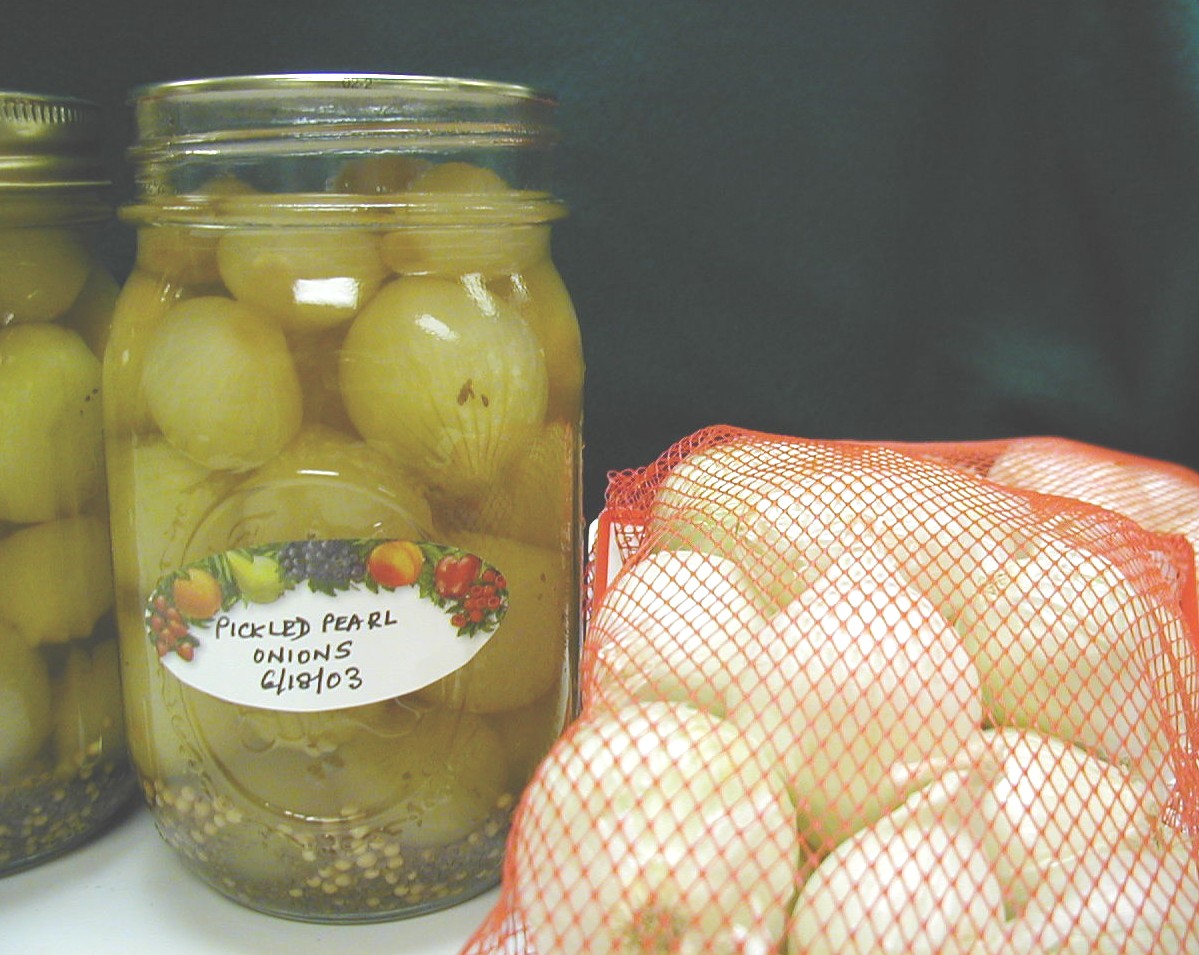
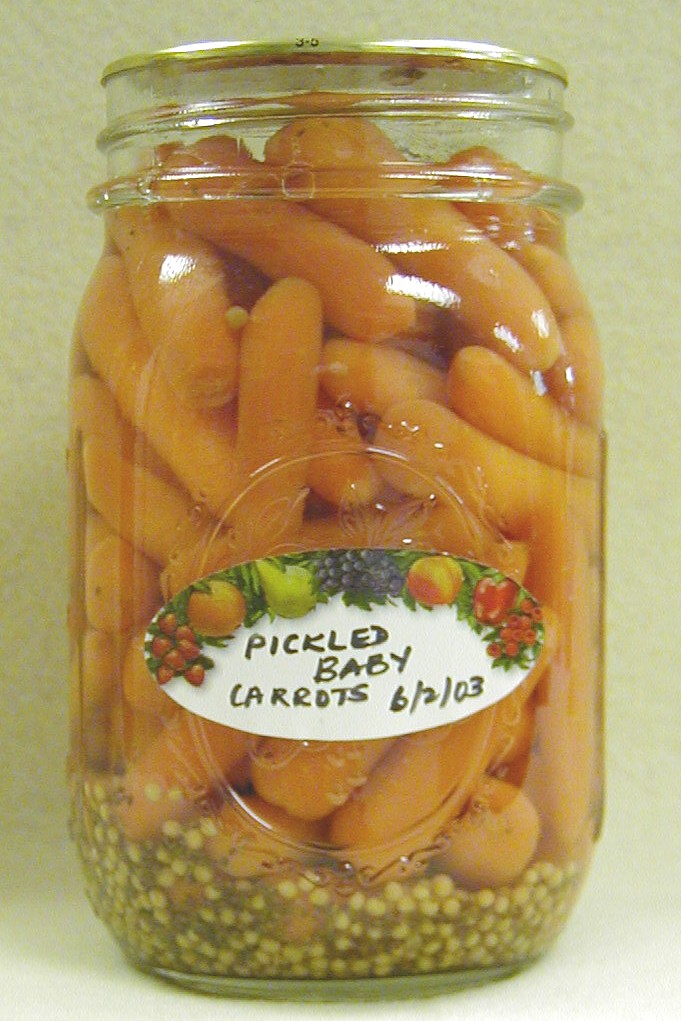
Interesting vegetable recipes include Bread and Butter Pickled Jicama, Pickled Sweet Green Tomatoes, and Pickled Horseradish Sauce.  (Note the horseradish sauce is to be kept in the refrigerator only; there is not a canning process to recommend.)  If you are keen on the flavor of fruit pickles (or interested in a taste adventure), then you might like to try Watermelon Rind Pickles, Spiced Crabapples, or even Cantaloupe Pickles (also available is a No-Sugar Added Cantaloupe Pickles recipe). Quite a few more fruit and vegetable pickle recipes are also available.

Pickled Pearl OnionsPickled Baby Carrots

Remember that the level of acidity is not just important for the taste and texture of your pickled products, but also for the safety of the product. For every tested recipe, the recommended amount of vinegar is necessary for a uniform acidity throughout the product to prevent the growth of botulinum bacteria. Do not alter the proportions of vinegar, water, or foods in tested recipes, and please, use tested recipes.

As for your produce, select fresh, firm fruits or vegetables that are free of spoilage or other damage, and wash them well.

Visit the NCHFP website for more information about Preparing and Canning Fermented and Pickled Foods.