Category Archives: Jams and Jellies

Cranberry Conserve

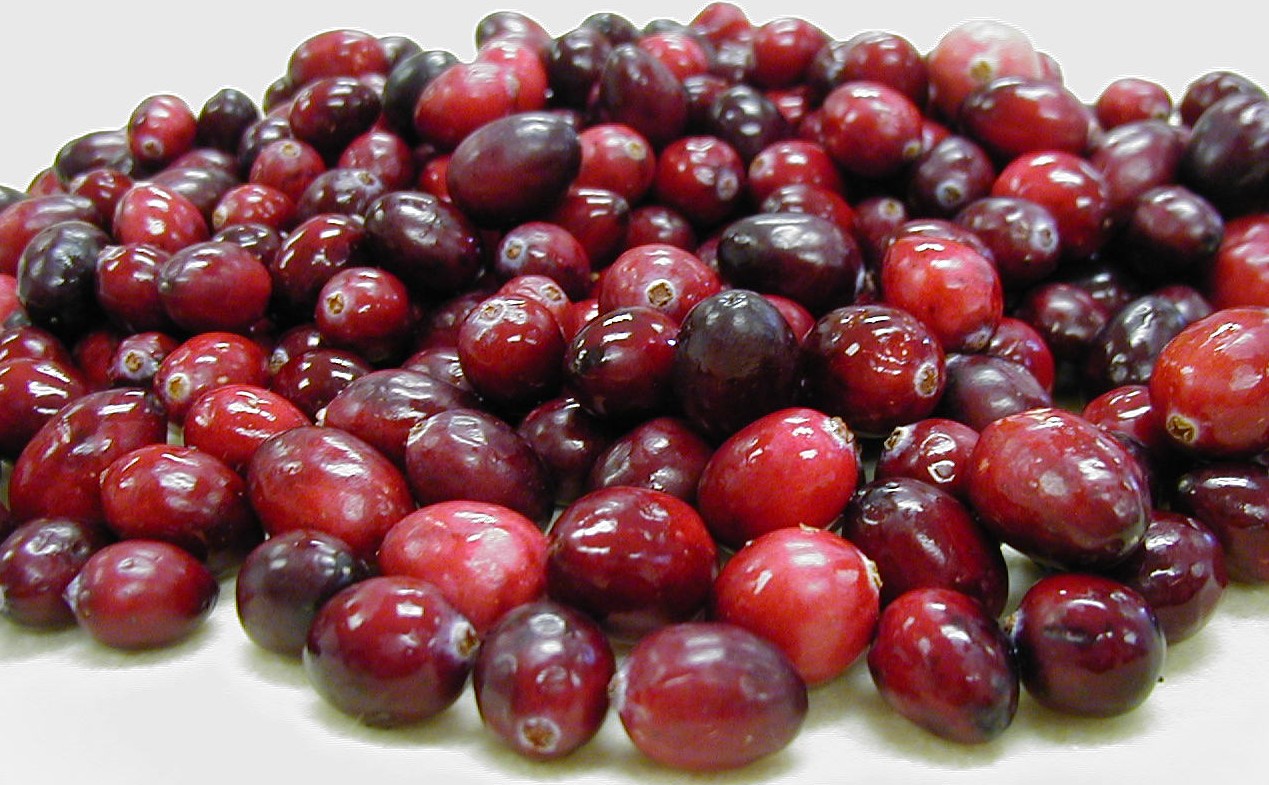
cranberries in (and out of) bowl

Since you can still find fresh cranberries at some stores, here’s a Cranberry Conserve recipe from So Easy to Preserve that makes a more hearty treat out of a classic wintertime favorite. Make and enjoy- before it’s too late!

Cranberry Conserve

  • 1 unpeeled, finely chopped orange
  • 1 cup water
  • 3 cups sugar
  • 1 quart cranberries, washed
  • ½ cup seedless raisins
  • ½ cup chopped nuts (walnuts or pecans make a tasty choice)

Yield: About 4 half-pint jars

Please read Using Boiling Water Canners before beginning. If this is your first time canning, it is recommended that you read Principles of Home Canning.

Procedure: Combine orange and water; cook rapidly until peel is tender (about 20 minutes). Add cranberries, sugar and raisins. Bring slowly to boiling, stirring occasionally until sugar dissolves. Cook rapidly, almost to the jellying point of 220°F (about 8 minutes). As mixture thickens, stir frequently to prevent sticking. Add nuts during the last 5 minutes of cooking. Pour hot conserve into hot jars, leaving ¼-inch headspace. Wipe rims of jars with a dampened clean paper towel; apply two-piece metal canning lids. Process in a Boiling Water Canner.

Table 1. Recommended process time for Cranberry Conserve in a boiling water canner.
Process Time at Altitudes of
Style of Pack Jar Size 0 – 1,000 ft 1,001 – 6,000 ft Above 6,000 ft
Hot Half-pints 10 min 15 20

more cranberries

A sweet spread for your sweetheart

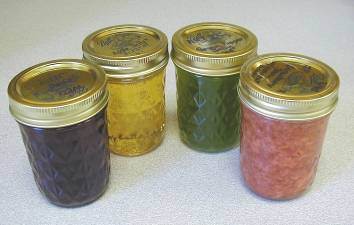
Jelly jars

The spring and summer months allow a wealth of fresh canning possibilities. Tomatoes, corn and green beans from gardens can keep you canning or freezing until you wear out. But by winter, you may be ready to try some different types of preserves. Perhaps you’re also looking for ways to sweeten the upcoming Valentine’s Day holiday with home-preserved gifts for your loved ones.

Elizabeth Andress is the Director of the National Center for Home Food Preservation, which is hosted by the College of Family and Consumer Sciences at the University of Georgia. She said recipes available from the Center using juice concentrates and canned vegetables enable canners to preserve in winter. “There are recipes perfect for people yearning to can in the winter,” Andress said. “You don’t always have to can with fresh fruits and vegetables. Some of those preserves also make nice holiday gifts.”

Orange Jelly from Frozen Juice

This recipe calls for frozen concentrated juice and powdered pectin and creates a delightful, flavorful orange jelly for toast or biscuits on dreary winter mornings or late afternoons.

For five or six half-pint jars, you’ll need:

  • 12 ounces concentrated orange juice, thawed
  • 2½ cups water
  • 4½ cups sugar
  • 1 box powdered regular pectin

Begin by sterilizing your canning jars. To sterilize jars, boil empty, washed and rinsed jars for 10 minutes in water. The easiest way to do this is to stand empty jars upright on a rack in a boiling water canner filled with clean water. Keep jars hot until they are filled.

Measure sugar and set aside. Mix juice and water in a saucepan and stir in powdered pectin. Bring to a full boil over high heat, stirring constantly. Once boiling, stir in all sugar. Stir and bring to a full boil that cannot be stirred down. Boil hard for one minute, stirring constantly.

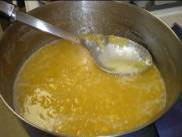
Skimming foam (1)

Remove from heat; skim off foam quickly. Pour hot jelly immediately into hot, sterile jars, leaving ¼-inch headspace. Wipe rims of jars with a dampened clean paper towel; adjust two-piece metal canning lids. Process in a boiling water canner for 5 minutes (10 minutes if 1,000-6,000 ft. altitude; 15 minutes if over 6,000 ft.). Allow jelly to cool, undisturbed, for 12 to 24 hours and check seals. You can remove screw bands after the food has cooled if the lids are sealed.

This entry is an edited version of an article originally written by April Reese Sorrow and Elizabeth L. Andress.

From One Home to Another…

…how to get your homemade foods to loved ones’ homes.

Chances are that you have someone on your gift list that doesn’t live in your home, or even in your neighborhood, city, or state. But if you’ve made amazing food products then you probably want to share them with everyone you love- including those who are far away! You might have concerns not only about proper packaging, but also about food safety and shelf life. So, a few mail order tips for you to keep in mind, from the USDA Food Safety and Inspection Service:

Jams, jellies, and pickles will last a year if unopened, so the major concern is proper padding in shipping packages so that no containers break open. Remember to mark the package as “Fragile”.

If your homemade goodies have a suggested shorter shelf life, be sure to tell the recipient. For example, whether unopened or opened, dried fruits are recommended to be consumed within one month at room temperature, and six months if kept refrigerated.

If you’re dealing with perishable food items, then you’ve got more immediate food safety concerns. Ideally, send items as quickly as you can and mail them with overnight delivery. Let your lucky recipients know that the gift is on its way, and label packages with “Keep Refrigerated” to remind them. Send packages at the beginning of the week (or at least not the end of it) so that they do not sit in the mailing facility over a weekend.

Most meat, poultry, fish, and dairy products (like cheesecake, yum) are especially perishable and must be handled in a timely manner or else the risk of foodborne illness is very high. Generally, these items must be packed cold or frozen, packaged with a cold source (frozen gel packs or dry ice), and boxed in corrugated cardboard. If meat or poultry arrives at higher than 40°F, as measured with a food thermometer, then it should not be eaten. 40°F to 140°F is the “Danger Zone” for perishable foods, because if they are held at in this temperature range for longer than two hours, then dangerous pathogenic bacteria can grow rapidly.

Some meat and dairy products are exceptions, and do not require refrigeration when properly packaged and unopened. These items include hard salami, hard cheese, and country ham.

If you have more questions, whether you be the sender or the recipient, contact the USDA Meat and Poultry Hotline with questions about meat, poultry, or egg products: 1-888-MPHotline (1-888-674-6854), or the FDA Outreach and Information Center with questions about any other foods: 1-888-723-3366.

The information in this entry comes from the Mail Order Food Safety Factsheet by the United States Department of Agriculture Food Safety and Inspection Service.

Holiday Gifts for the Home Food Preserver

With the holiday shopping season here, you may either have a special someone on your list for whom it is hard to buy, or you may need some fun stocking stuffers. If that certain someone is a home food preserver, here are a few suggestions that will make them smile this holiday season! These items will make their work easier and more enjoyable. Check kitchen stores or any major shopping venues to purchase these gifts. Of course, specialty catalogs and online shopping will also offer other sources for purchasing.

Here’s a list and check it twice!

* Jar lifter– Essential for easy removal of hot jars from a canner.

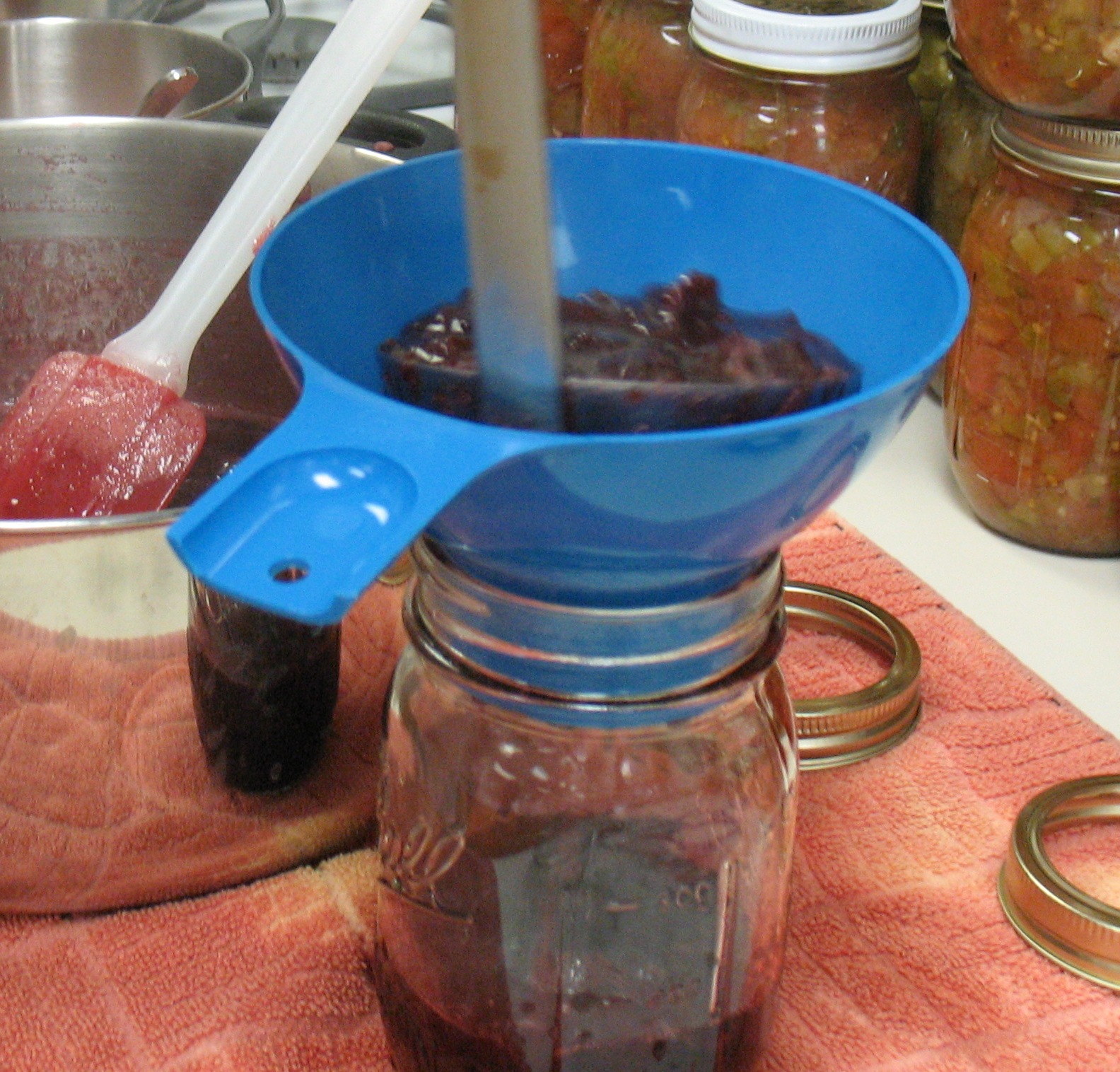
* Jar filler or funnel – Helps in packing of small food items into canning jars.

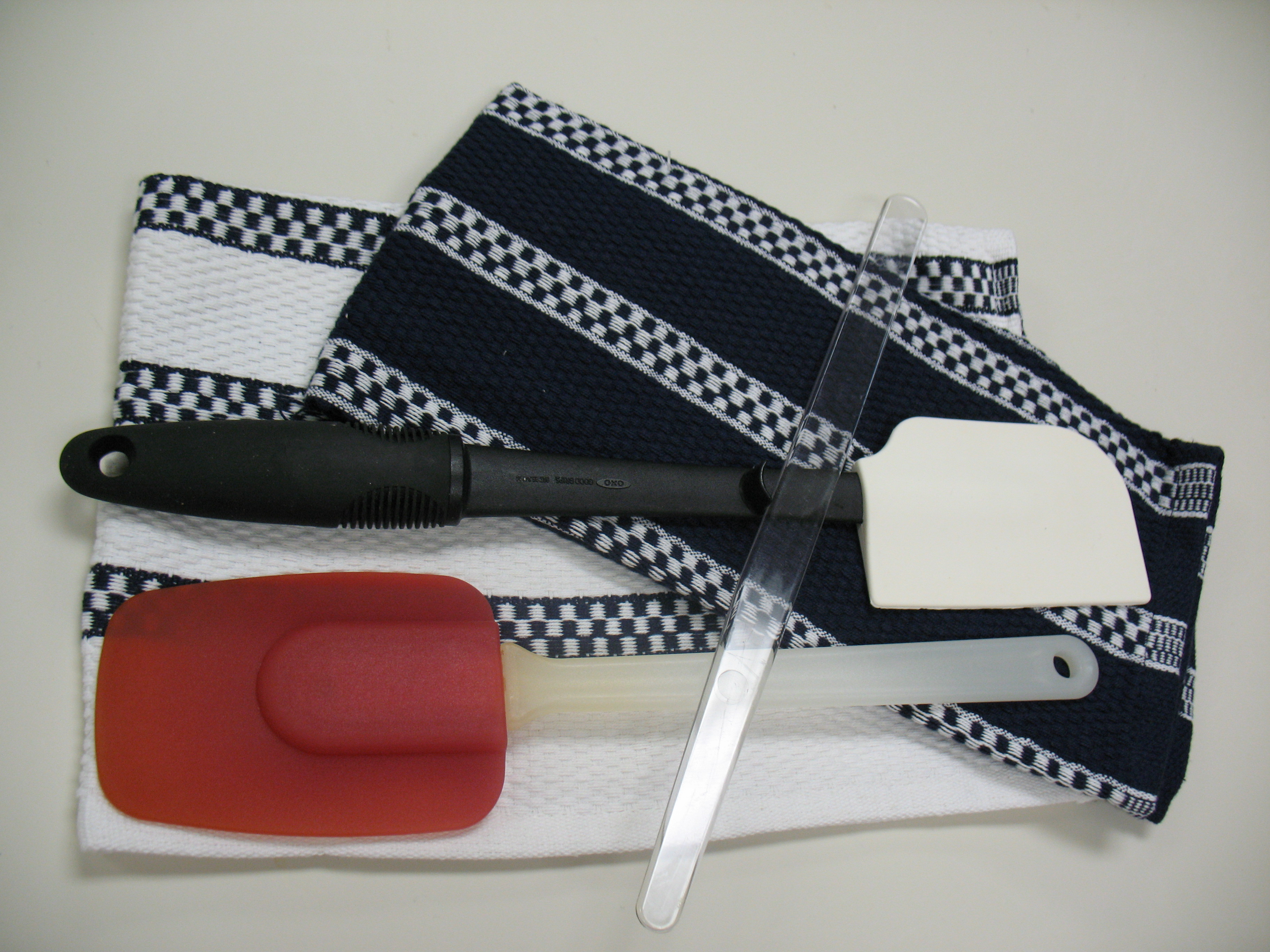
* Plastic spatula – A handy aid for removing air bubbles from the jars. (This must be plastic not metal.)

* Hot pads/trivets – Mitts for hands or counter-top versions for hot items and cooling of canning jars.

* Labels or label printer – Special designs give home-preserved treats a personal touch and may help categorize them (jellies, canned fruits, pickles, etc.). If you can’t find preprinted sheets of labels with food designs, a few sources on the Internet sell CDs with various designs, or some companies have a few free designs to download and customize; you could print your own sheets of labels to include with other gifts.

* Sharp knives – It is always a luxury to upgrade to special, new paring and slicing knives for product preparation.

* Magnetic lid grabber – A tool with a magnet on the end that helps remove treated lids from hot water.

* Timer or kitchen clock – These come in a wide array of shapes, sizes and battery or wind up. Find something unique and fun! A good timer with loud signal is a must for timing canning and cooking processes.

* Cutting boards – New, food-safe cutting boards are always appreciated for those who prepare a lot of fresh foods. Plastic, or non-porous, hard maple is best. Some plastic cutting boards today come with antibacterial surfaces, too.

Other home canning accessories for your list for the dedicated home food preserver might include items such as a corn cutter, apple corer/slicer, and special canning spoons or ladles. These are not essential, but can make work easier. A new apron and a set of kitchen towels also make great gifts. These may seem ordinary to some people, when a person does a lot of food preparation, new tools, aprons and towels can be really appreciated! You may also choose items that fit the kitchen décor or collections of your recipient. Taking time to select that perfect gift will make for a great season of food preservation in the months to come.

For original article, go to the National Center for Home Food Preservation website.