Category Archives: Drying

It’s in your garden, it’s kind of gooey, and no, it’s not a slug…

It’s Okra!

In addition to being supremely slimy (and providing high fiber from all that mucilage), did you know that okra is also in the same family as cotton, cacao, and hibiscus (Malvaceae)?

Once you’ve had enough fresh southern-style fried okra this spring, preserve those precious pods by freezing, drying, pickling, or canning them. Complete recommendations are accessible by clicking the blue links below.

Freezing Okra is simple, but the best quality frozen okra will result from smoother rather than more ridged varieties because the smooth types do not split as easily. Water blanch small pods (4 inches or less) for 3 minutes and large pods for 4 minutes. Quickly cool and drain pods, then either leave whole or slice crosswise. Pack into freezer containers leaving ½-inch headspace, seal, and freeze.

For Freezing Okra for Frying, follow instructions above but dredge with flour or meal after slicing crosswise. Spread in a single layer on shallow trays and place trays in freezer just long enough for them to firm, then package quickly leaving ½-inch headspace, seal, and freeze.
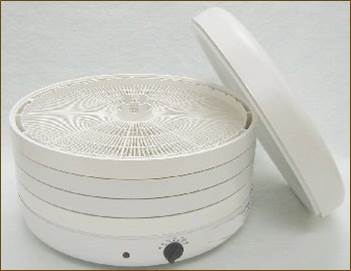
DehydratorDrying Okra is also a simple process, so long as you have a food dehydrator or an oven that registers 140°F. (And drying really reduces that gooey slime.) Wash, trim, and slice okra crosswise into 1/8- to ¼- inch disks. No blanching is required, just place in a single layer on dehydrator trays or cookie sheets and dry for 8-10 hours in a dehydrator, up to twice as long in an oven. Drying time depends on air circulation — directing a fan towards a slightly opened oven speeds up drying time.

As with pickled products in general, this recipe for Pickled Dilled Okra contains enough vinegar in proportion to solid food that the previously low acid food becomes acidified. Unlike okra by itself, which is a low acid food, acidified foods like this pickled okra can be safely processed in a boiling water canner. And, it makes a great, tangy snack!

venting - visible funnel of steamUsing a pressure canner, okra can be canned by itself or with tomatoes. Directions for Canning Okra call for tender young pods to be washed and ends trimmed, then left whole or cut into 1-inch pieces. After boiling the pods for 2-minutes, drain liquid such that you can use it to cover the pods after you pack them into jars. Leave 1-inch headspace. Add 1 teaspoon salt to each jar for flavor, if desired. Process in a pressure canner; pints for 25 minutes and quarts for 40 minutes. Use the tables in the recommendations to make appropriate altitude adjustments.

For Canning Tomatoes with Okra, okra is added to tomatoes at about a 1 to 3 ratio. Tomatoes are a borderline acid food and, as you now know, okra is a low acid food, so be sure to follow the tested directions and pressure canning process times from USDA.

Going Wild with Cherries

Raw, Washed CherriesQuick! Cherries’ peak growing season is so short, you don’t want to miss making the most of any fresh ones you can get a hold of. If you buy cherries from a typical grocery store, you are likely to find the best deals of the year during the early summer months of June and July.

cropped cherry jarsThere are so many ways to preserve cherries that instead of describing each method here, you’ll find complete recommendations on the National Center for Home Food Preservation website by clicking the blue links, below.

With about 3 pounds (2 quarts) of sour cherries, try making Cherry Jam with powdered pectin or the equally scrumptious Cherry Jam with liquid pectin.  Goes great on biscuits, thumb-print cookies, or mixed into plain yogurt.

If you have a bit more time available, then you’ll be able to prepare the juice needed for making Cherry Jelly with powdered pectin or Cherry Jelly with liquid pectin.

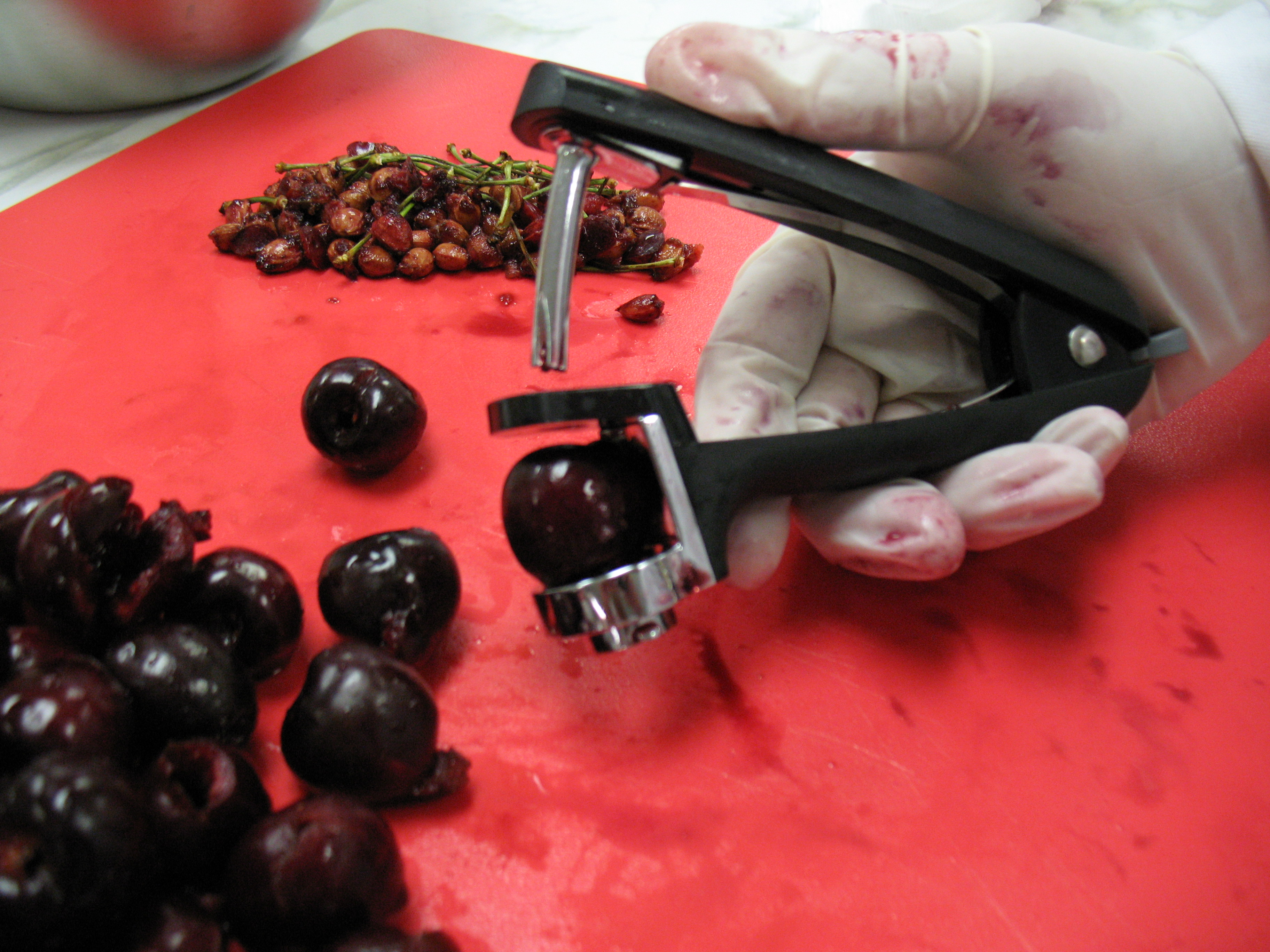
Pitting CherriesAnother option for sour cherries is to can Sour Cherries – Whole. And, the very same procedure and process times are used to can Sweet Cherries – Whole. You could even mix sweet and sour cherries!

For an extra sweet spread option, can Sweet Cherry Topping, made with Bing cherries, water, sugar, and liquid pectin.

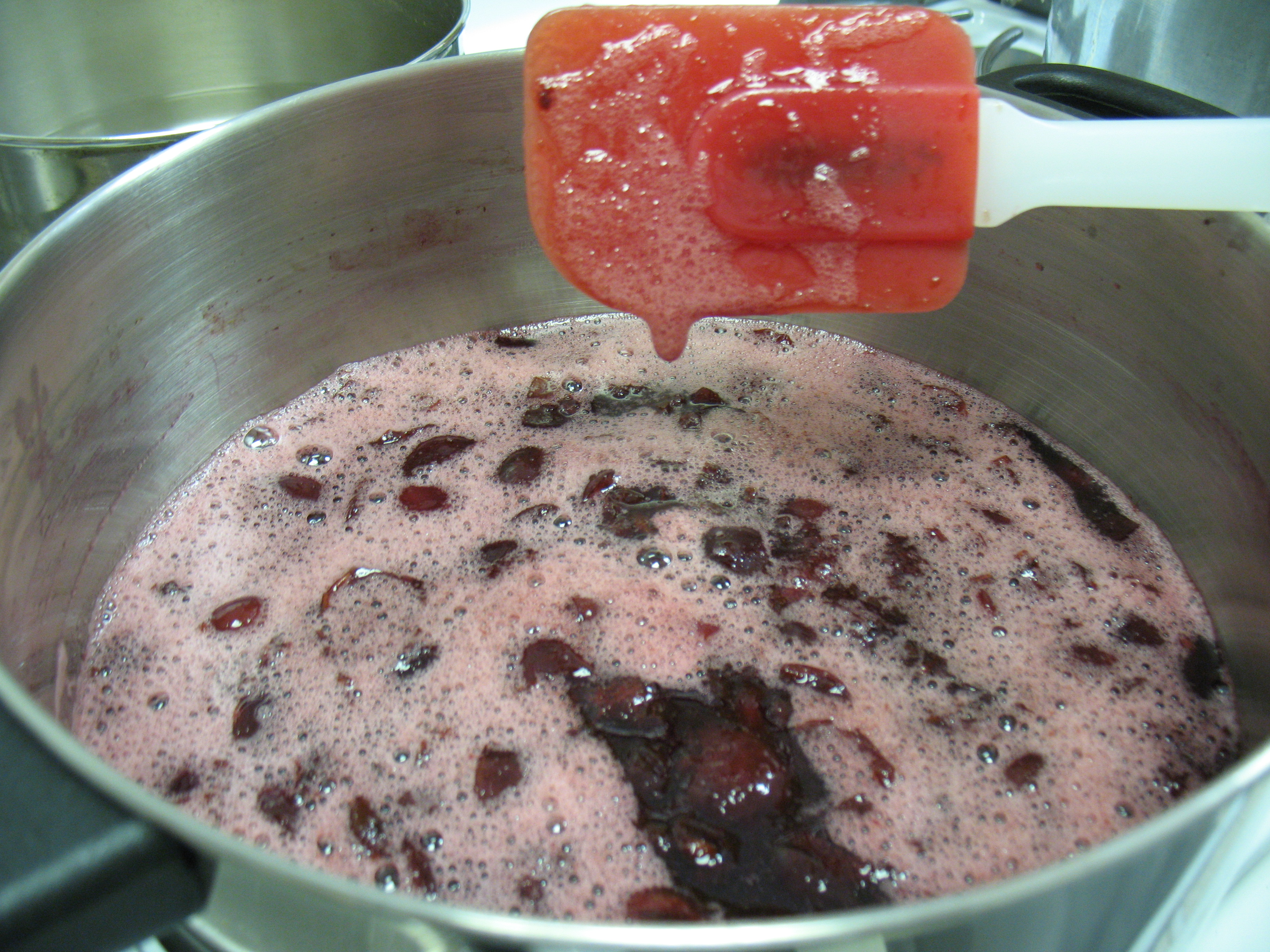
Cherry Syrup is another way to make and can a sweet topping, this one more pourable/liquid-like and less spreadable/solid-like than the Sweet Cherry Topping, above. You may use any type of cherry for the syrup.

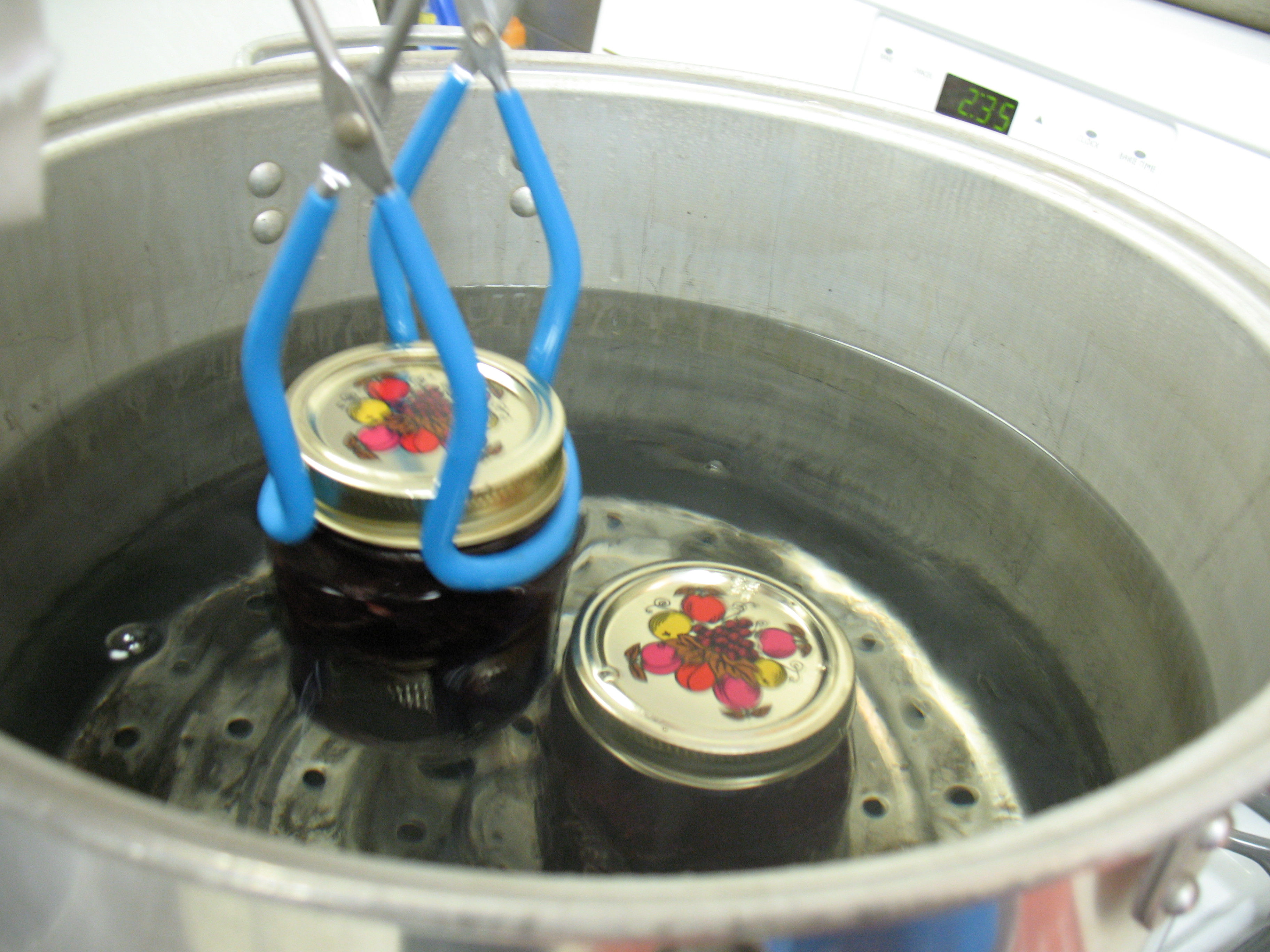
Boiling Cherries into SyrupLowering Jars into Canner

In case canning is not your preferred preservation method, you could freeze your Sour Cherries or Sweet Cherries. The difference between the two is due to balancing the flavor of sour cherries with slightly more sugar. Sour cherries can be packed in 50% sugar syrup or a sugar pack, whereas sweet cherries are packed in 40% sugar syrup or a dry pack, no sugar added.

Last but not least, Dried Cherries make a great snack, either plain or as an ingredient in fancy trail mix with nuts and chocolate pieces. Drying cherries takes just a few steps – start with ripened cherries and stem, wash, drain, and pit them, leaving whole, halving or chopping as you please. Whole cherries need to be dipped in boiling water until skins split to help moisture escape while they dry. For sour cherries, you will syrup blanch them for 10 minutes. Make sure you have 24-36 hours available to check on the cherries as the complete the drying process in a dehydrator.

Are You Prepared for Severe Weather?

If the trials of this winter season have not already spurred you to carefully evaluate your severe weather preparedness, or perhaps if you are still feeling uncertain if you are as prepared as you want to be, then don’t think you’ve missed your chance – it’s never too late to prepare for the next severe weather event.  The National Weather Service declared the first week of March 2014 as Severe Weather Preparedness Week. In case you missed it, here’s a link to preparedness resources provided by the National Oceanic and Atmospheric Administration (NOAA).

Do you have a disaster supply kit yet? If not, you can use the disaster supplies kit link on NOAA’s site (above) to help you put one together to meet your particular needs. In addition to items like a flashlight and first aid kit, the Federal Emergency Management Agency (FEMA) suggests that you stock a disaster supplies kit with food supplies enough for 3 days and nights. If you chose foods that require heating, then remember to also pack a small camping stove and fuel.

Comfort foods like cookies, lollipops, and coffee are very useful for morale, but it’s important to primarily pack an assortment of nutrient-rich foods to sustain your health during the crisis. Store-bought canned fruits, veggies, soups and meats are good options, as are granola bars, peanut butter, and crackers. Some home-preserved canned foods also make a great choice, although you’ll want to pay extra attention to packing glass jars so they do not break, and keep in mind that they add weight as compared to metal cans. Conversely, dehydrated fruits and veggies make for a very light-weight option to help maintain your energy.

To maintain the usefulness and quality of your supplies, check expiration dates, batteries, and your own changing personal needs to re-stock your disaster supply kit at least once per year.

If you lose power, remember to first eat foods from your refrigerator and then from your freezer before turning to your supply kit. Eat your non-perishable foods only once your perishable supplies run out. Refrigerated foods need to be monitored at 40°F or below or else eaten quickly, as they may cause support microbial growth and cause sickness after just a few hours at temperatures above 40°F. Keep the refrigerator/freezer doors closed as much as possible and wrap it in blankets or towels to help hold in the cool air. Freezer foods can be consumed as long as they still have ice crystals and/or you can check that the freezer has remained at 40°F or below. Usually, you’ll have 2 to 3 days to eat freezer foods if the freezer is well-insulated.

More tips, including how to prepare a two-week supply, are found in this publication from the University of Georgia: Preparing an Emergency Food Supply, Short Term Storage. A collection of publications including Storing Water Supplies is available from UGA Cooperative Extension’s Consumer Guide: Preparing an Emergency Food Supply.

Got the Wintertime “Greens”?

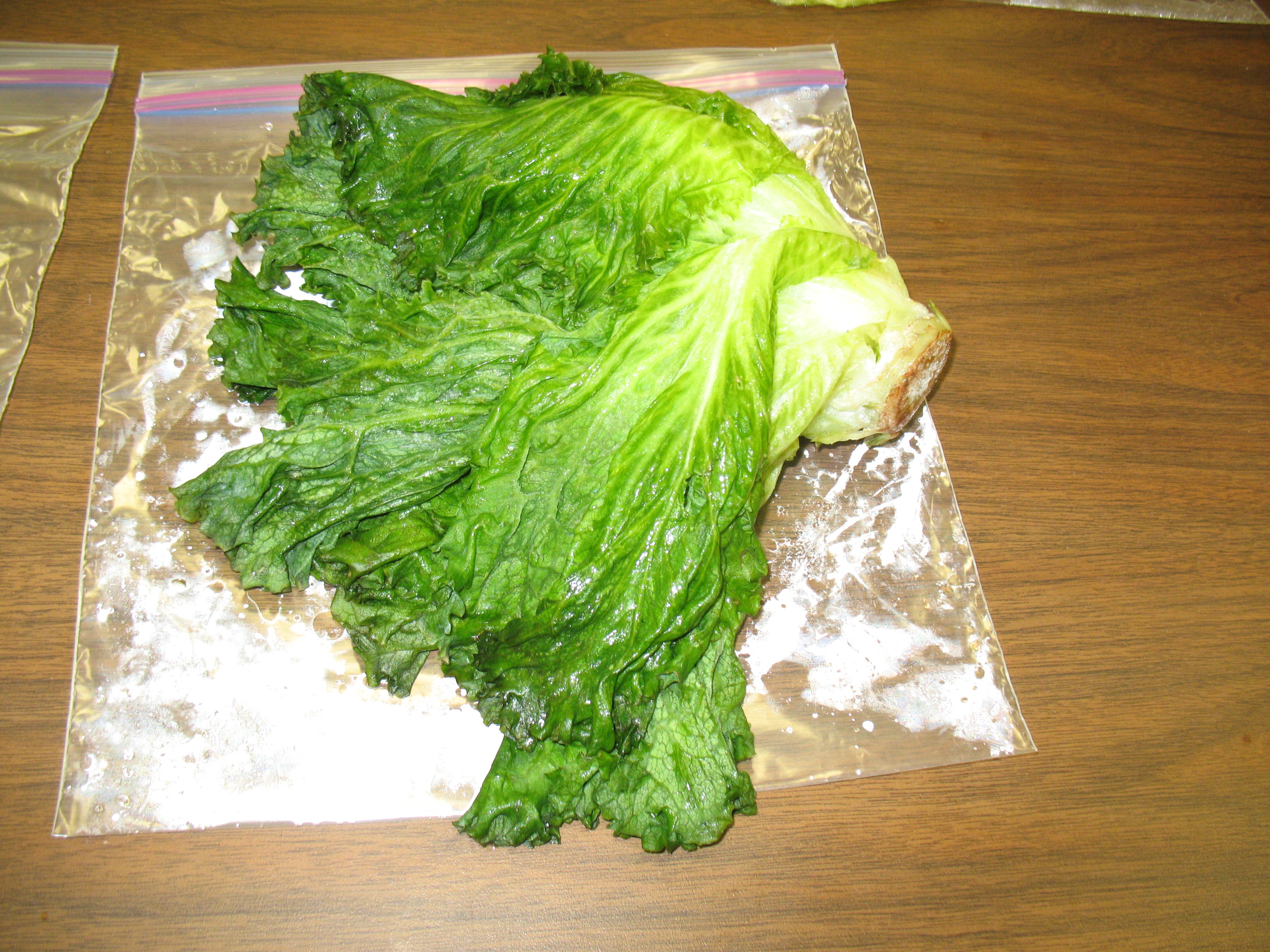
frozen lettuce

Chances are that you don’t have much to harvest from your garden these days, but if you do, then there’s a good chance it’s at least somewhat green and leafy. Lettuce, bok choy, spinach, turnip greens, collards, and swiss chard are among the hearty plants that are able to thrive in cooler temperatures. If your local temperatures have been too cold even for those crops, then head to a grocery store and keep your eyes open for special deals and seasonal sales in the produce department. Keep in mind however that lettuce has such a high water content and such thin tissue that it does not tend to preserve well using any method.

As mentioned in the recent New Year’s posting, Spinach and Other Greens can be canned, using a pressure canner. You might be amazed at the quantity you can fit in each jar once the tender leaves have wilted from being steamed – a canner load of 9 pints requires about 18 pounds of greens, and a canner load of 7 quarts holds an impressive average of 28 pounds! Note: These “other greens” should be greens with a similar texture to spinach, and not very hard, firm leaves such as cabbage.

Freezing greens is an option, but is recommended only for use as a cooked vegetable. This is for the sake of quality — their cells are full of water and those thin cell walls will burst when that water freezes and expands. So, rather than making a salad with frozen greens, try using them in casseroles, lasagna, soups, sauces and dips. Also, keep in in mind that leafy greens will heat more evenly if thawed before cooking. The water blanching time for most Greens, including Spinach, is 2 minutes, but water blanch collards for 1 additional minute (blanch time: 3 minutes) and Cabbage for 30 seconds less (blanch time: 1½ minutes). Blanching is important to slow or stop destructive enzyme action, clean surfaces, brighten color, help retain vitamins, and make the vegetables easier to pack into jars. Specific directions for water blanching are available here.

Blancher

Perhaps the least common method of preserving greens is to dry them. However, dehydrating can be a useful method for use in baked goods, soups, and casseroles. Dried greens may even be ground into flour to sneak some extra nutrients into breads, pancakes, and cookies. As with freezing, blanching is required. Cabbage can be water blanched for 1½ to 2 minutes or steam blanched for 2½ to 3 minutes or until wilted. Other greens can be water blanched for 1½ minutes or steam blanched for 2 to 2½ minutes or until wilted. Read this publication from the University of Georgia for more information about Drying Fruits and Vegetables.