Category Archives: Canning

Umm…what exactly is botulism? (Part I)

Glad you asked. This question is going to be answered in three parts, because it’s rather hefty, but very important to home food preservers, especially people who like to make canned products. The next three entries will cover the topics of Botulism: Sources (what it is and what it does), Botulism: Solutions (how you can prevent it), and Botulism: Surprises (did you know…).

Botulism: Sources

You’ve probably heard of botulism, and you likely know it’s a deadly foodborne disease. But do you know what causes botulism and how it works?

Let’s start by examining the source of botulism: rod-shaped bacteria called Clostridium botulinum. This microorganism is commonly found in soil and in marine sediment. It exists in two forms: as protected structures called spores, and as vegetative cells. To picture these forms, you could imagine spores like seeds and vegetative cells like sprouting plants.

C. botulinum spores are extremely common in soil and marine sediment, and therefore are also commonly found on the surfaces of fruits, vegetables, and seafood. Spores are generally harmless to adults (but can be harmful to infants; more about that later). The spore stage is formed when the bacteria are in an environment they find unfavorable; it is a protective stage that keeps the cell dormant or inactive but allows it to survive. When conditions are favorable, spores germinate into vegetative cells. Active vegetative cells are able to colonize and produce deadly botulinum toxin.

So what are those favorable conditions that allow the growth of C. botulinum?  Very low oxygen (such as in a sealed canning jar) and low acidity, meaning a pH value of 4.6 or above (such as in meats, vegetables, and some tomatoes, figs, and Asian pears).  That is why home food preservers need to be informed about Clostridium botulinum— you are not only dealing with the bacteria, but also the conditions ripe for them to grow out and produce toxin.

jars of veggies

What are the signs and symptoms of botulism? When consumed by humans, the neurotoxin produced by vegetative cells binds to nerve endings that join muscles, preventing muscles from contracting. Symptoms begin with nausea, vomiting, weakness, and dizziness which usually appear 12-36 hours after consuming the toxic food. Next are neurological symptoms such as blurry vision, difficulty speaking and swallowing, and lack of muscle coordination. Eventually the diaphragm and chest muscles become affected, which prevents breathing and results in death from asphyxia.

Can you do anything to stop botulism once the illness begins to affect the human body? Quick medical attention and injection of antitoxin can stop, but rarely reverse, nerve damage. Also, the antitoxin cannot always be used due to serious side effects.

Information in the entry comes from the USDA Factsheet Clostridium botulinum and So Easy to Preserve.

Cranberry Conserve

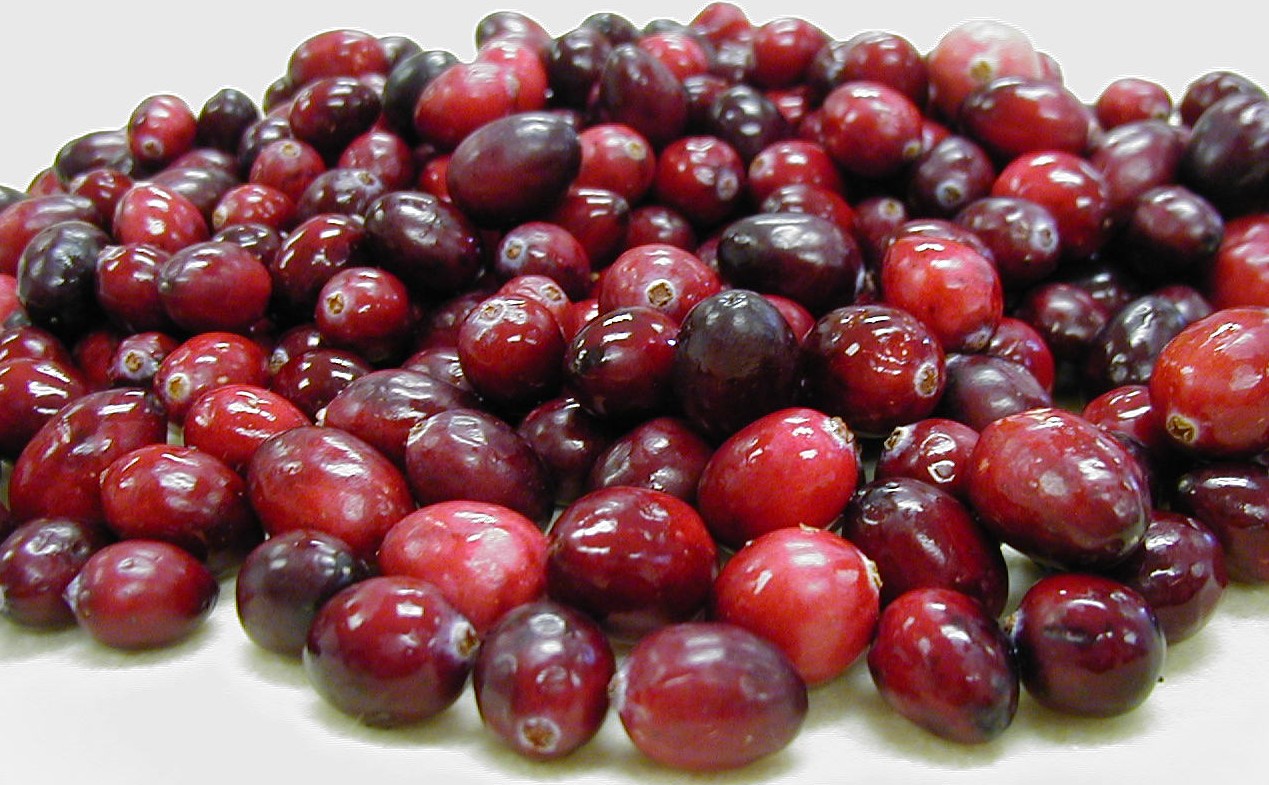
cranberries in (and out of) bowl

Since you can still find fresh cranberries at some stores, here’s a Cranberry Conserve recipe from So Easy to Preserve that makes a more hearty treat out of a classic wintertime favorite. Make and enjoy- before it’s too late!

Cranberry Conserve

  • 1 unpeeled, finely chopped orange
  • 1 cup water
  • 3 cups sugar
  • 1 quart cranberries, washed
  • ½ cup seedless raisins
  • ½ cup chopped nuts (walnuts or pecans make a tasty choice)

Yield: About 4 half-pint jars

Please read Using Boiling Water Canners before beginning. If this is your first time canning, it is recommended that you read Principles of Home Canning.

Procedure: Combine orange and water; cook rapidly until peel is tender (about 20 minutes). Add cranberries, sugar and raisins. Bring slowly to boiling, stirring occasionally until sugar dissolves. Cook rapidly, almost to the jellying point of 220°F (about 8 minutes). As mixture thickens, stir frequently to prevent sticking. Add nuts during the last 5 minutes of cooking. Pour hot conserve into hot jars, leaving ¼-inch headspace. Wipe rims of jars with a dampened clean paper towel; apply two-piece metal canning lids. Process in a Boiling Water Canner.

Table 1. Recommended process time for Cranberry Conserve in a boiling water canner.
Process Time at Altitudes of
Style of Pack Jar Size 0 – 1,000 ft 1,001 – 6,000 ft Above 6,000 ft
Hot Half-pints 10 min 15 20

more cranberries

Spice up the season

If you’ve had enough sweets, but you’re still looking for a way to brighten up the winter days, try mixing together a spicy red hot sauce! This recipe is easy to follow and uses ingredients that are available no matter what the season. Easy Hot Sauce is great for stirring into vegetables or cheese dips and spicing up soups and chili.

Easy Hot Sauce

You’ll need:

  • 8 cups (64 ounces) canned, diced tomatoes, undrained
  • 1½ cups seeded, chopped Serrano peppers
  • 4 cups distilled white vinegar (5 percent)
  • 2 teaspoons canning salt
  • 2 tablespoons whole mixed pickling spices

This recipe yields four half-pint jars. Wear gloves when handling, cutting and seeding hot peppers or wash hands thoroughly with soap and water before touching your face or eyes.

Start by washing half-pint canning jars; keep hot until they are filled. Prepare lids according to the manufacturer’s directions.

Next, place mixed pickling spices in a spice bag and tie ends firmly. Mix all ingredients in a Dutch oven or large saucepan. Bring to a boil, stirring occasionally. Simmer for 20 minutes or until tomatoes are soft.

IMG_0936IMG_0180

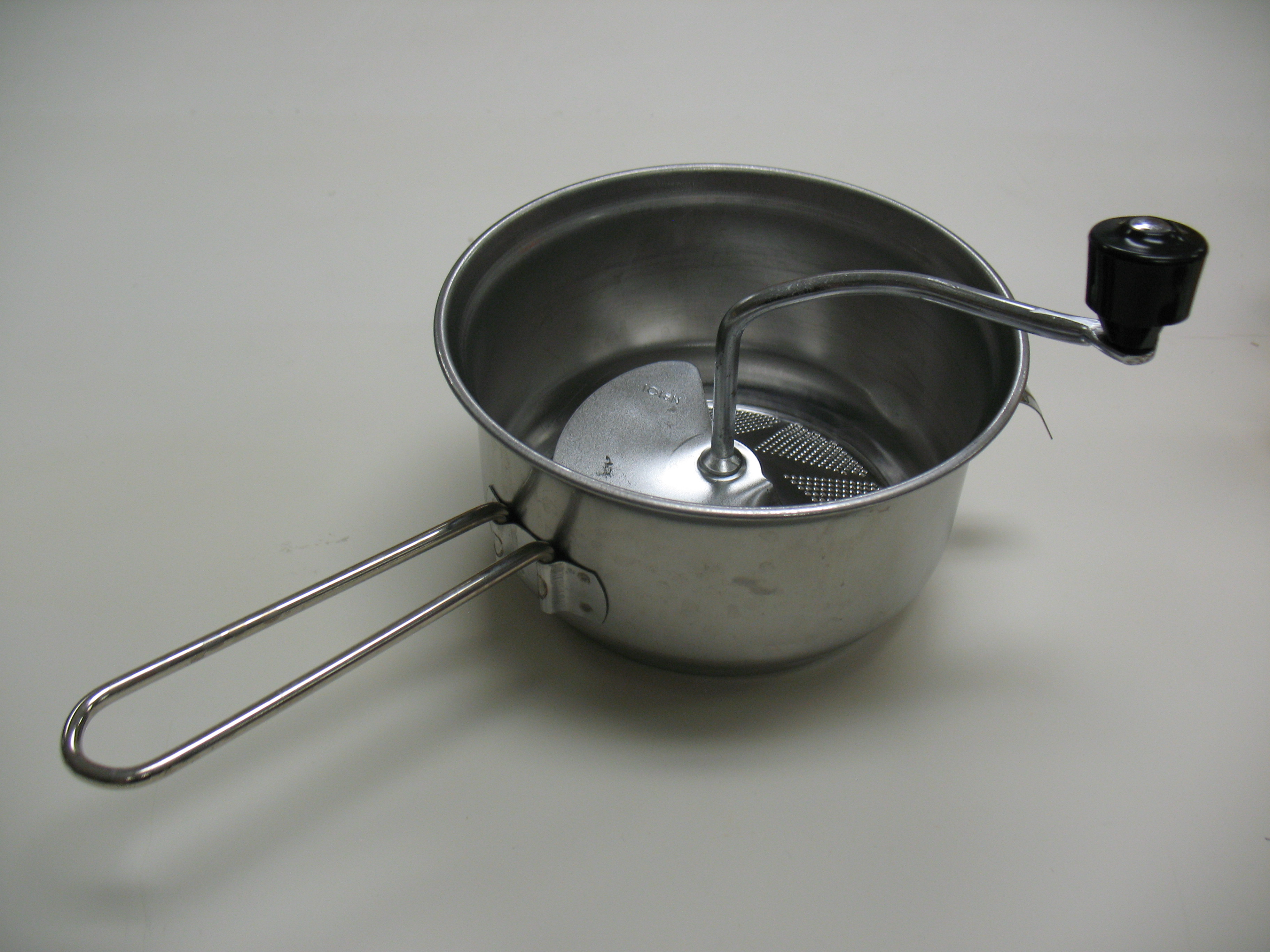
Press mixture through a food mill. Return the liquid to the pot, heat to boiling and boil for 15 minutes.

Fill hot sauce into clean, hot half-pint jars, leaving ¼-inch headspace. Remove air bubbles and adjust headspace if needed. Wipe rims of jars with a dampened clean paper towel; apply two-piece metal canning lids.

Process in a boiling water canner for 10 minutes (15 minutes if 1,000-6,000 ft. altitude; 20 minutes if over 6,000 ft.). Allow hot sauce to cool, undisturbed, for 12 to 24 hours and check seals. You can remove screw bands after the food has cooled if the lids are sealed.

P1010090

This entry is an edited version of an article originally written by April Reese Sorrow and Elizabeth L. Andress.

A sweet spread for your sweetheart

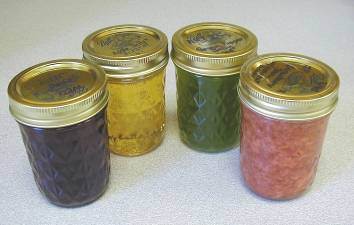
Jelly jars

The spring and summer months allow a wealth of fresh canning possibilities. Tomatoes, corn and green beans from gardens can keep you canning or freezing until you wear out. But by winter, you may be ready to try some different types of preserves. Perhaps you’re also looking for ways to sweeten the upcoming Valentine’s Day holiday with home-preserved gifts for your loved ones.

Elizabeth Andress is the Director of the National Center for Home Food Preservation, which is hosted by the College of Family and Consumer Sciences at the University of Georgia. She said recipes available from the Center using juice concentrates and canned vegetables enable canners to preserve in winter. “There are recipes perfect for people yearning to can in the winter,” Andress said. “You don’t always have to can with fresh fruits and vegetables. Some of those preserves also make nice holiday gifts.”

Orange Jelly from Frozen Juice

This recipe calls for frozen concentrated juice and powdered pectin and creates a delightful, flavorful orange jelly for toast or biscuits on dreary winter mornings or late afternoons.

For five or six half-pint jars, you’ll need:

  • 12 ounces concentrated orange juice, thawed
  • 2½ cups water
  • 4½ cups sugar
  • 1 box powdered regular pectin

Begin by sterilizing your canning jars. To sterilize jars, boil empty, washed and rinsed jars for 10 minutes in water. The easiest way to do this is to stand empty jars upright on a rack in a boiling water canner filled with clean water. Keep jars hot until they are filled.

Measure sugar and set aside. Mix juice and water in a saucepan and stir in powdered pectin. Bring to a full boil over high heat, stirring constantly. Once boiling, stir in all sugar. Stir and bring to a full boil that cannot be stirred down. Boil hard for one minute, stirring constantly.

Skimming foam (1)

Remove from heat; skim off foam quickly. Pour hot jelly immediately into hot, sterile jars, leaving ¼-inch headspace. Wipe rims of jars with a dampened clean paper towel; adjust two-piece metal canning lids. Process in a boiling water canner for 5 minutes (10 minutes if 1,000-6,000 ft. altitude; 15 minutes if over 6,000 ft.). Allow jelly to cool, undisturbed, for 12 to 24 hours and check seals. You can remove screw bands after the food has cooled if the lids are sealed.

This entry is an edited version of an article originally written by April Reese Sorrow and Elizabeth L. Andress.